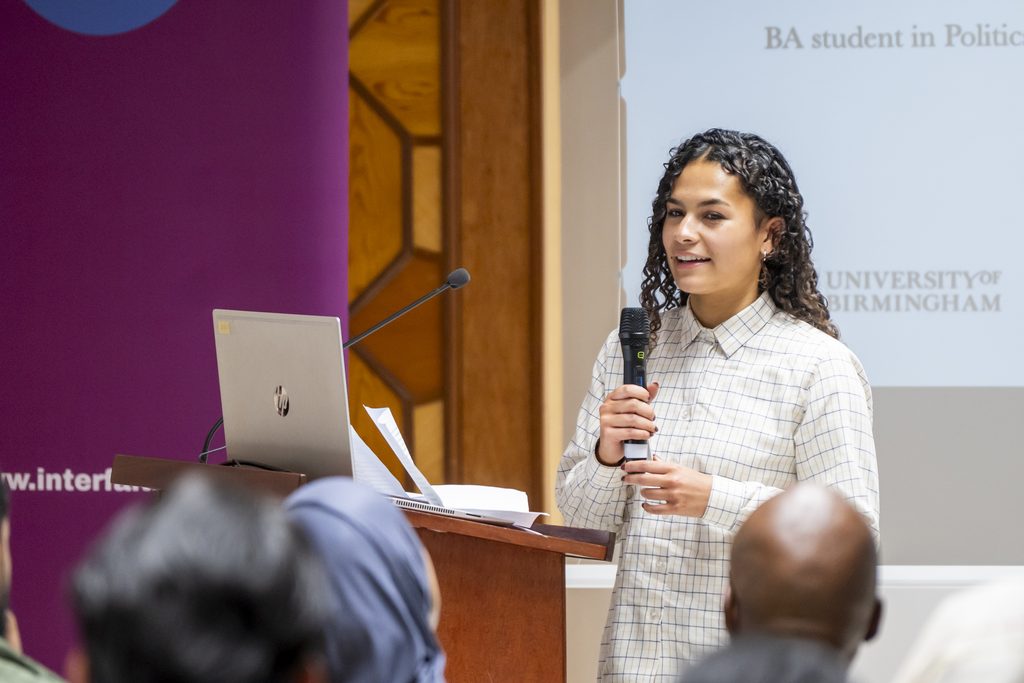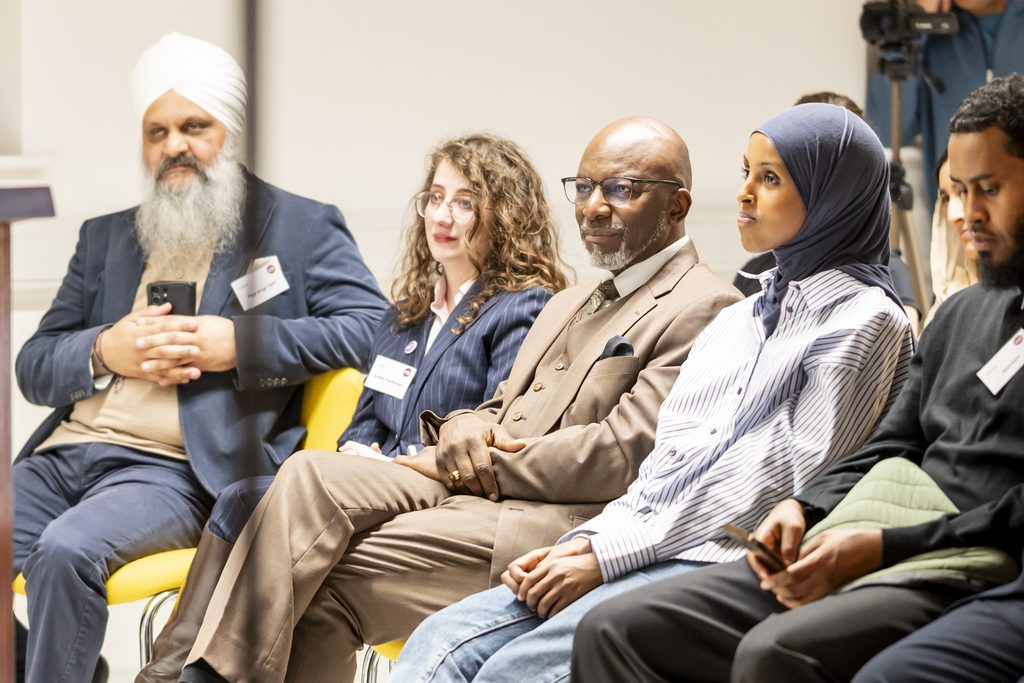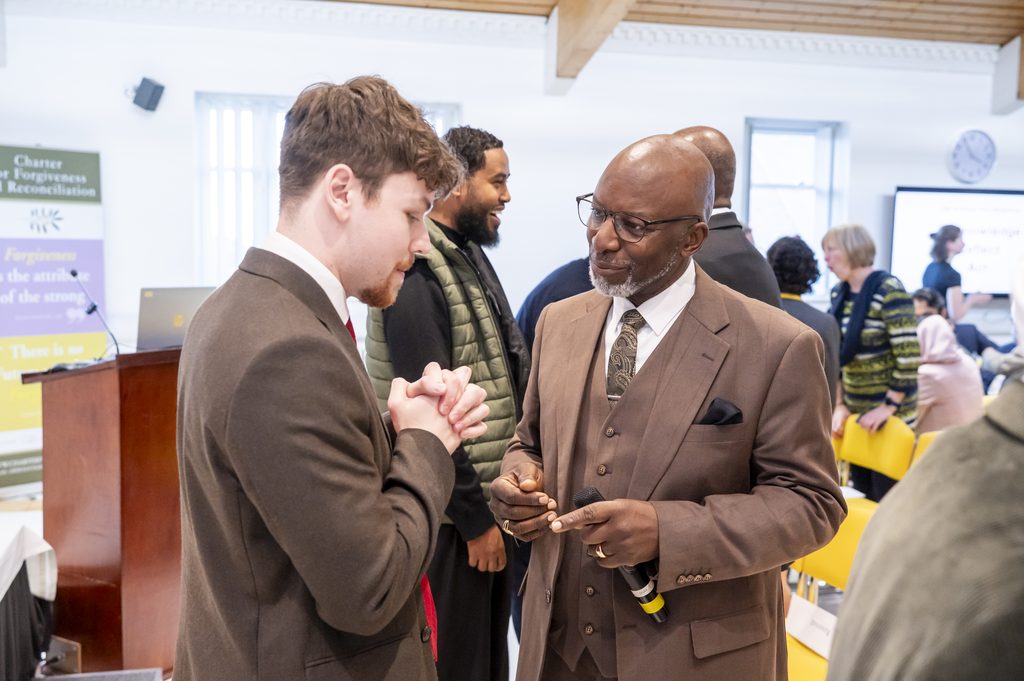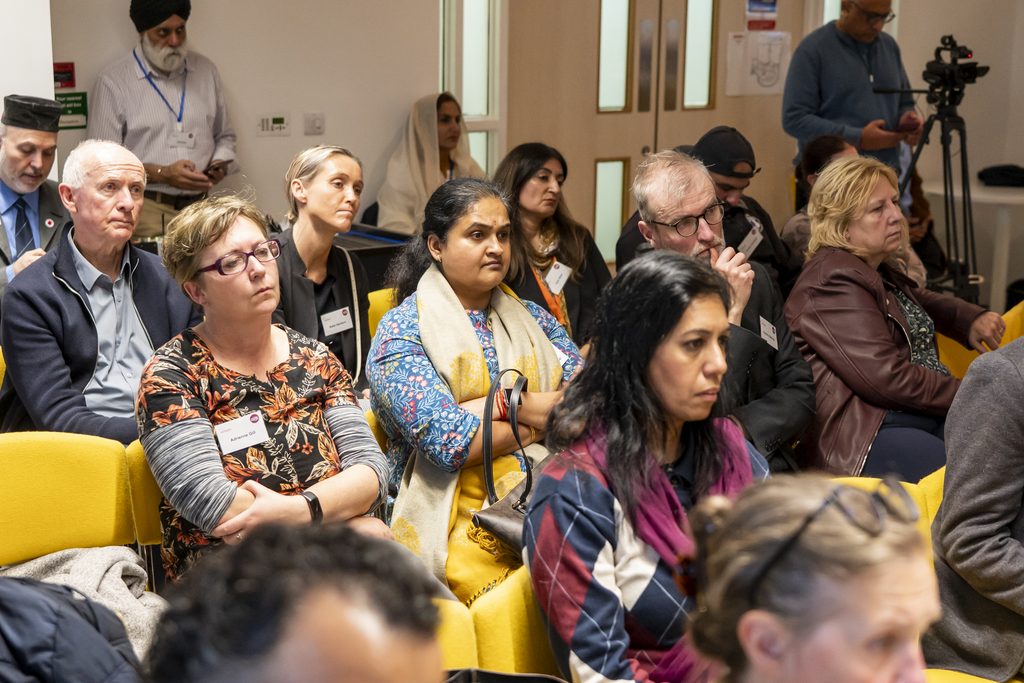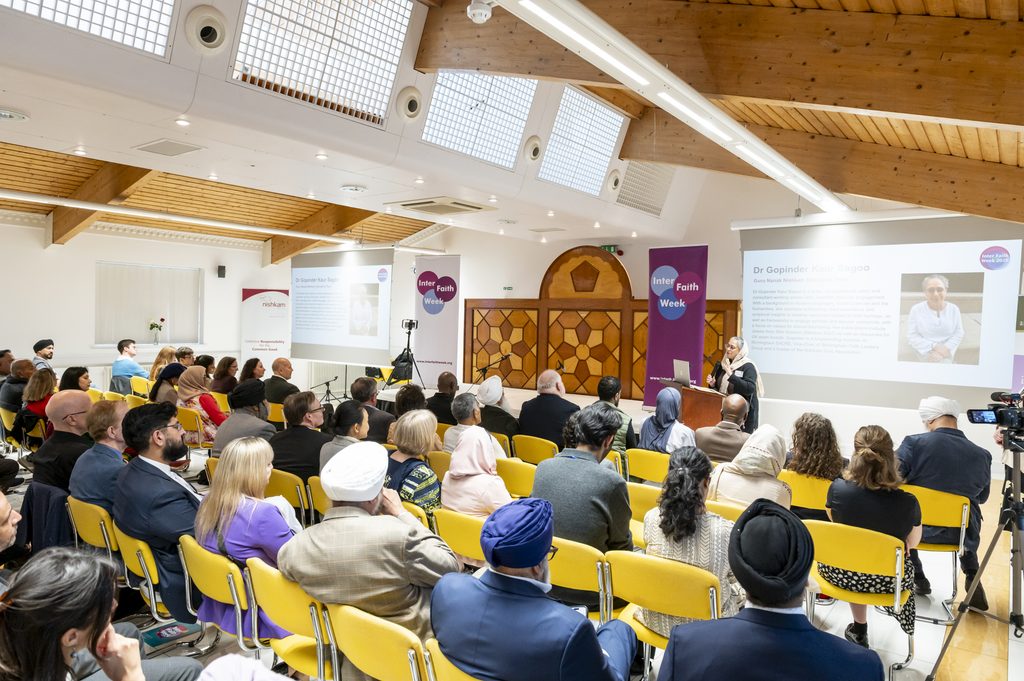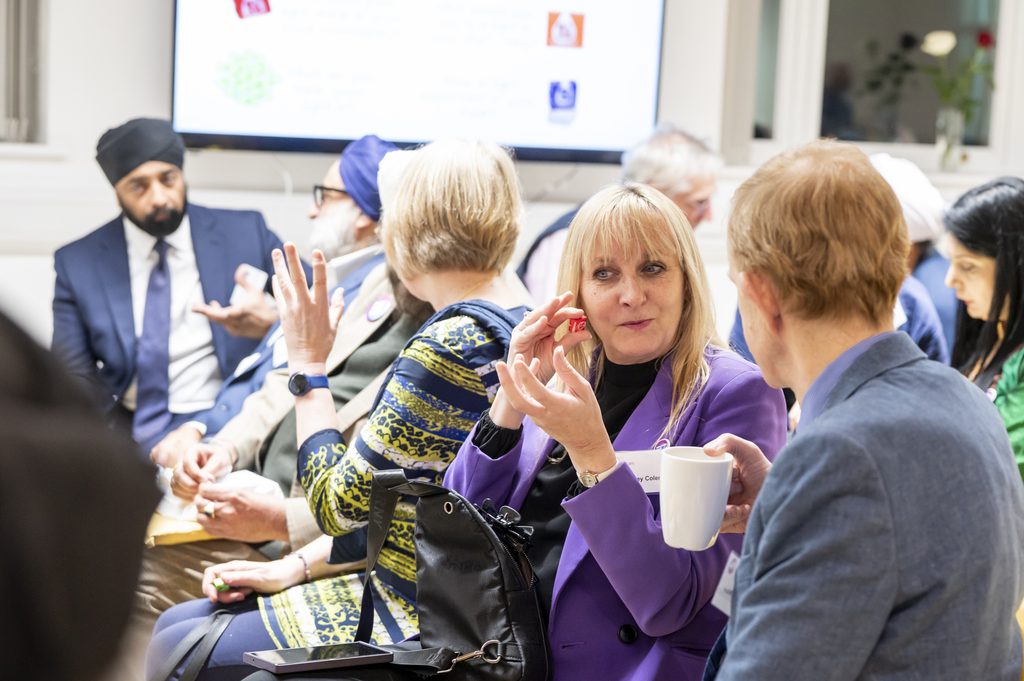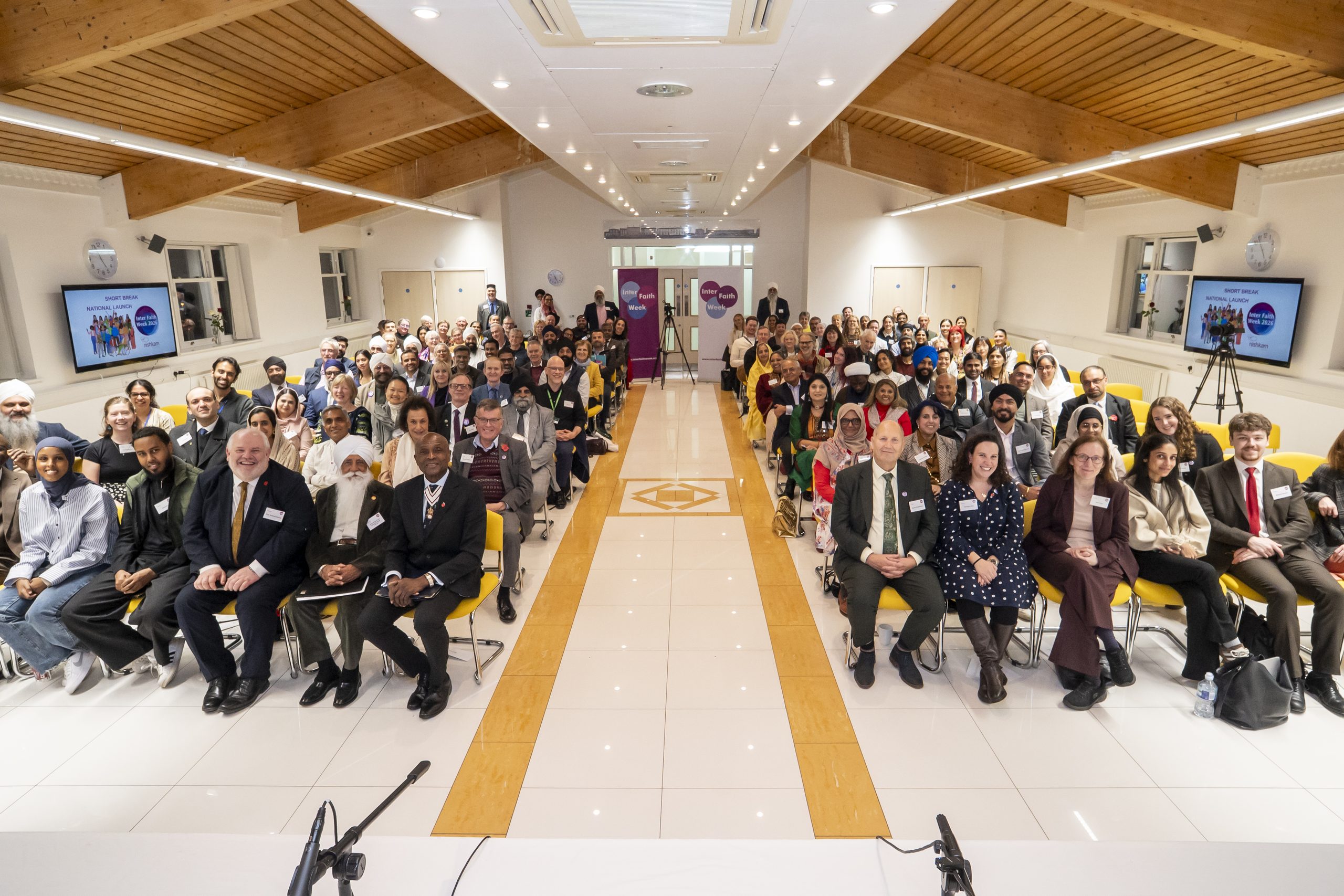
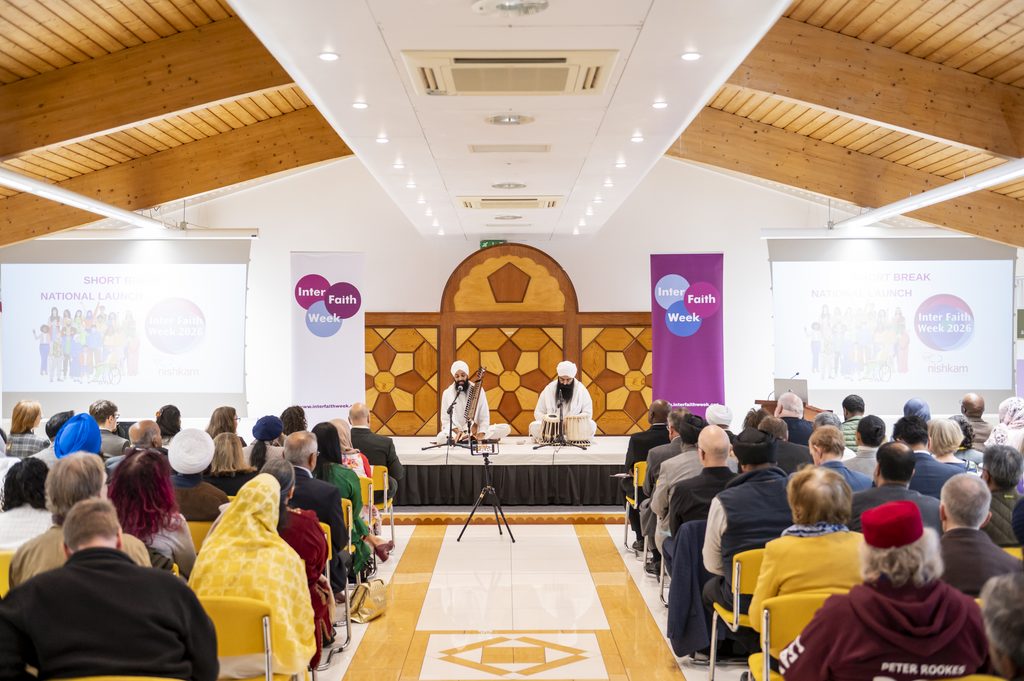
The official launch of National Inter Faith Week 2026 took place on Tuesday 3 November at the Nishkam Centre, Birmingham, bringing together faith leaders, civic representatives, educators, young people, academics and community organisations from across England to celebrate this year’s theme, “Lighting the Way for a Shared Future.”
Hosted by the Nishkam Civic Association, in partnership with the Faith & Belief Forum, United Religions Initiative UK, and the National Steering Group for Inter Faith Week, the launch marked the beginning of a nationwide week of activities taking place from 8-15 November 2026, supported by the Ministry of Housing, Communities and Local Government.
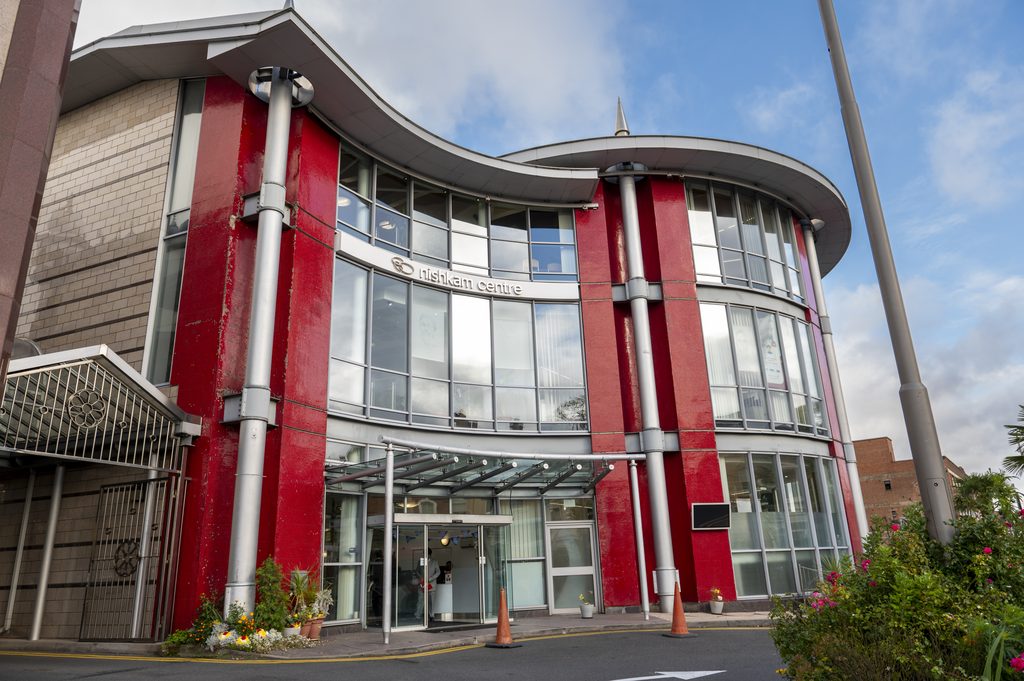
Birmingham: A Fitting Home for the National Launch
Birmingham provided a powerful setting for the occasion. As one of the UK’s most diverse cities, with a proud history of faith-inspired social action, civic leadership and intercultural cooperation, it reflected the values that lie at the heart of Inter Faith Week.
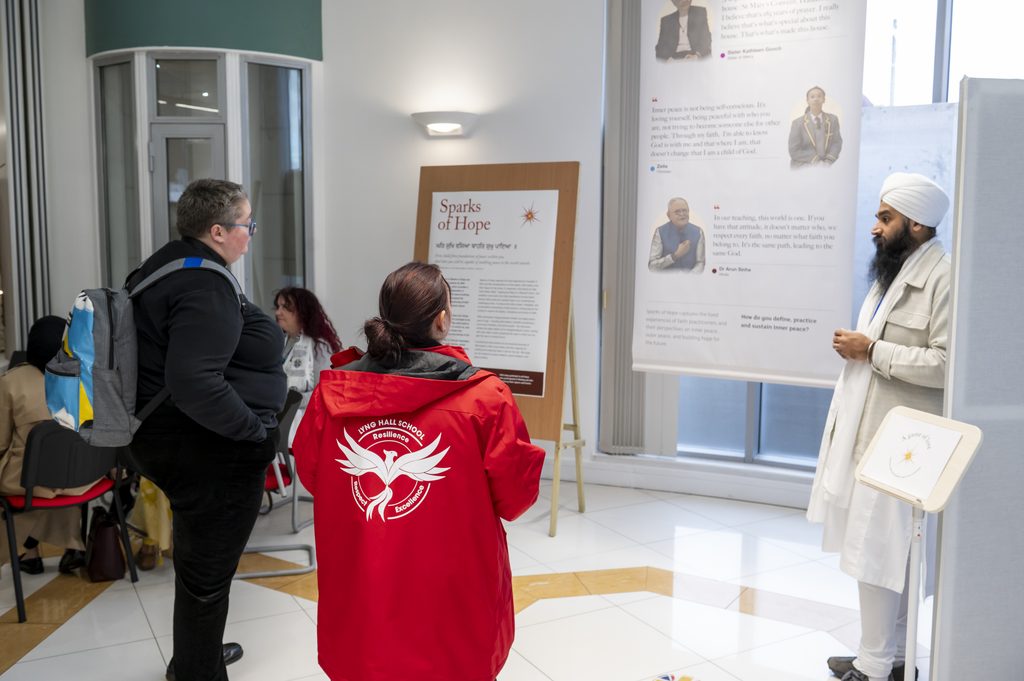
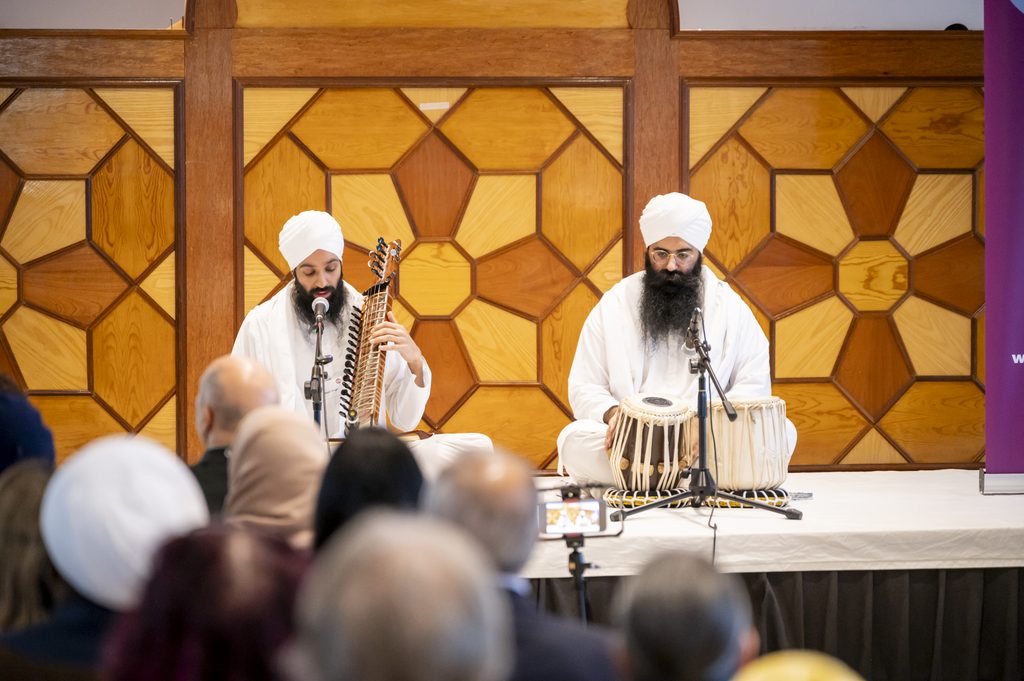
The afternoon began with the “Sparks of Hope” exhibition, creating opportunities for visitors to explore stories of community engagement and interfaith collaboration. Guests were welcomed by Harr-Joht Kaur, Trustee of the Nishkam Centre, before a recital of kirtan or devotional singing performed by volunteers from Guru Nanak Nishkam Sewak Jatha. Reverend Dr Carver Anderson and Arielle Friedlander then guided participants through a programme centred on dialogue, reflection and relationship-building.
A special video message from Faith Minister Florence Eshalomi MP highlighted the importance of celebrating the extraordinary interfaith work taking place in communities across the country and encouraged people from all backgrounds to participate in local events and conversations throughout the week.
Education, Values and Building Understanding
A key theme throughout the launch was the role of education in personal and societal peace-building, though a clearer focus on the fostering of values.
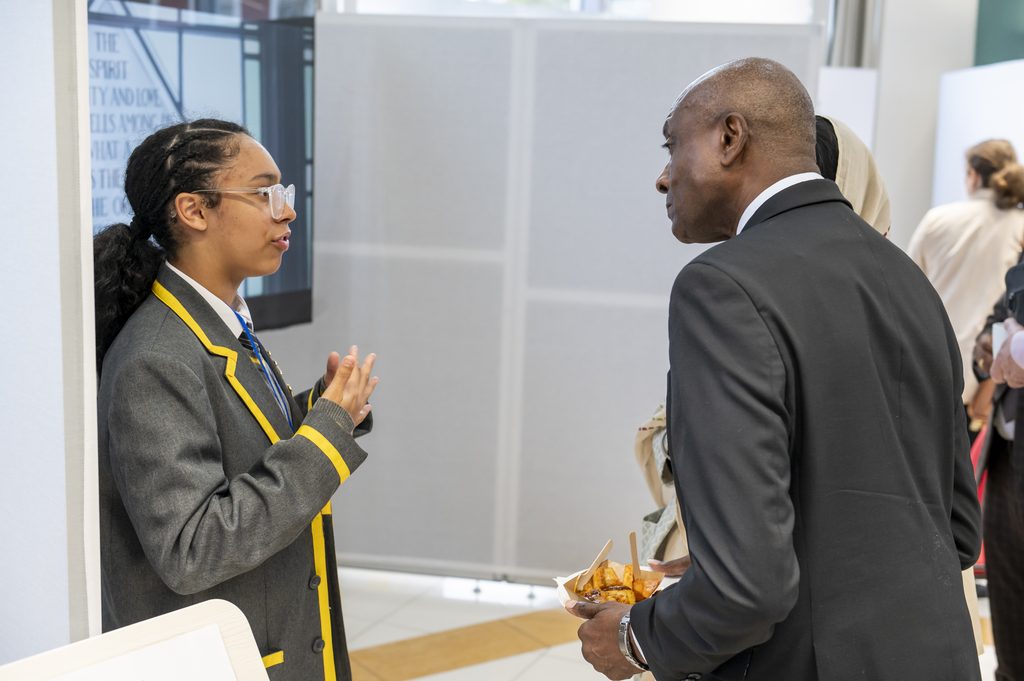
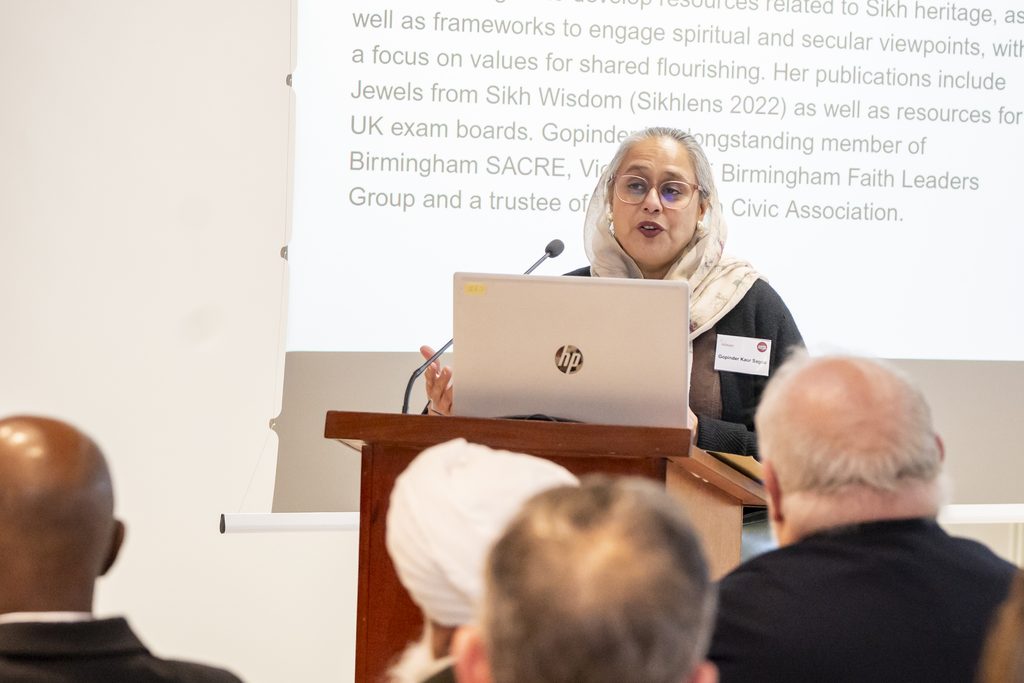
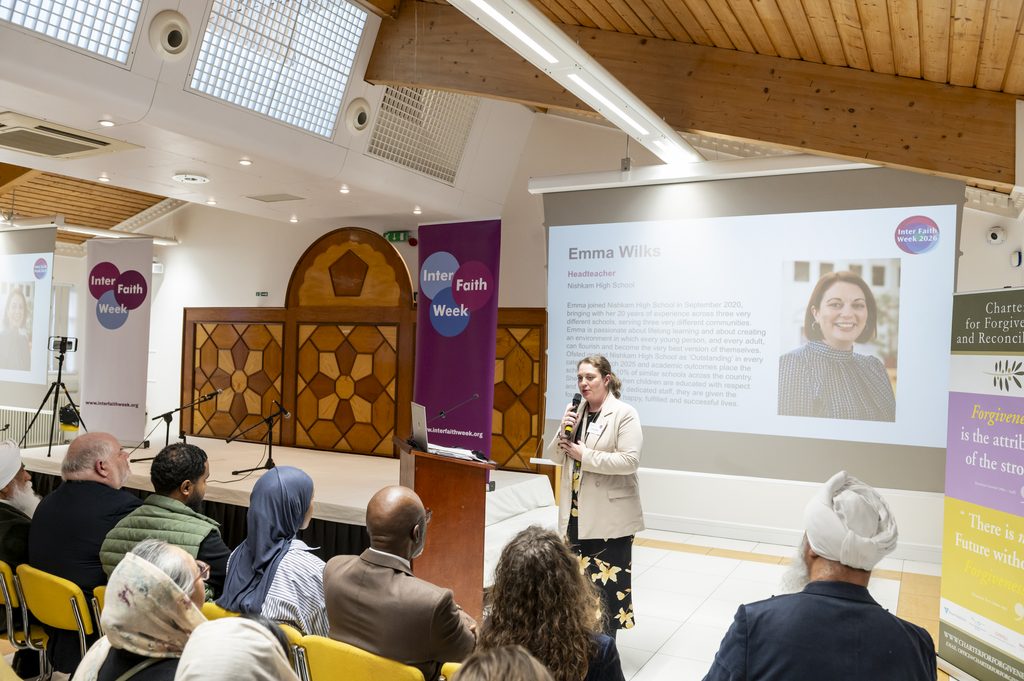
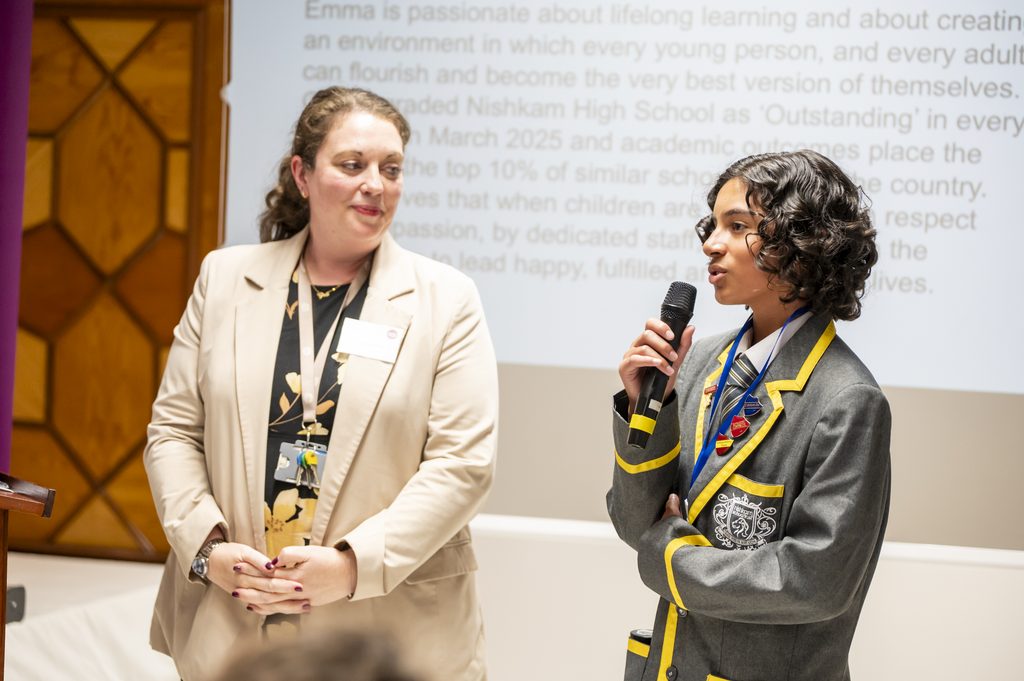
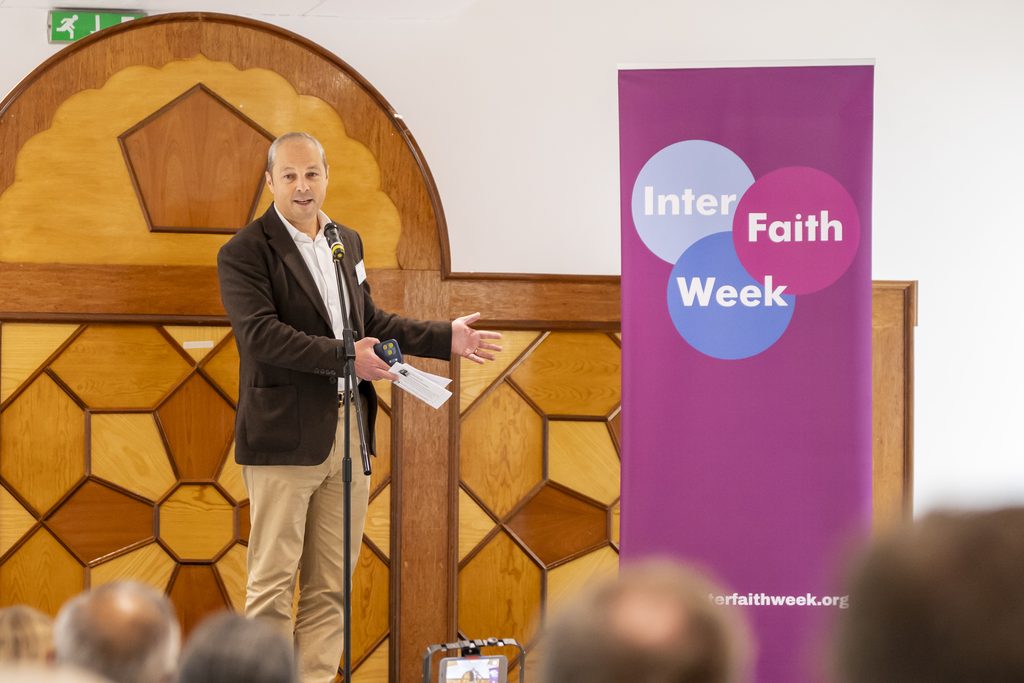
Dr Gopinder Kaur Sagoo of the Guru Nanak Nishkam Education Trust, shared insights into the development of Birmingham’s Agreed Syllabus for Religious Education, whose framework of 24 dispositions helps teachers to bridge religious and secular viewpoints and supports pupils to critically reflect on and consciously cultivate values. Emma Wilks, Headteacher of Nishkam High School Birmingham, shared how its values-based approach helps young people develop character, empathy and feel supported. Part of the school’s outstanding track record, she suggested, was its ability to actively value pupil’s different faith and cultural heritages, in a spirit of respect and togetherness.
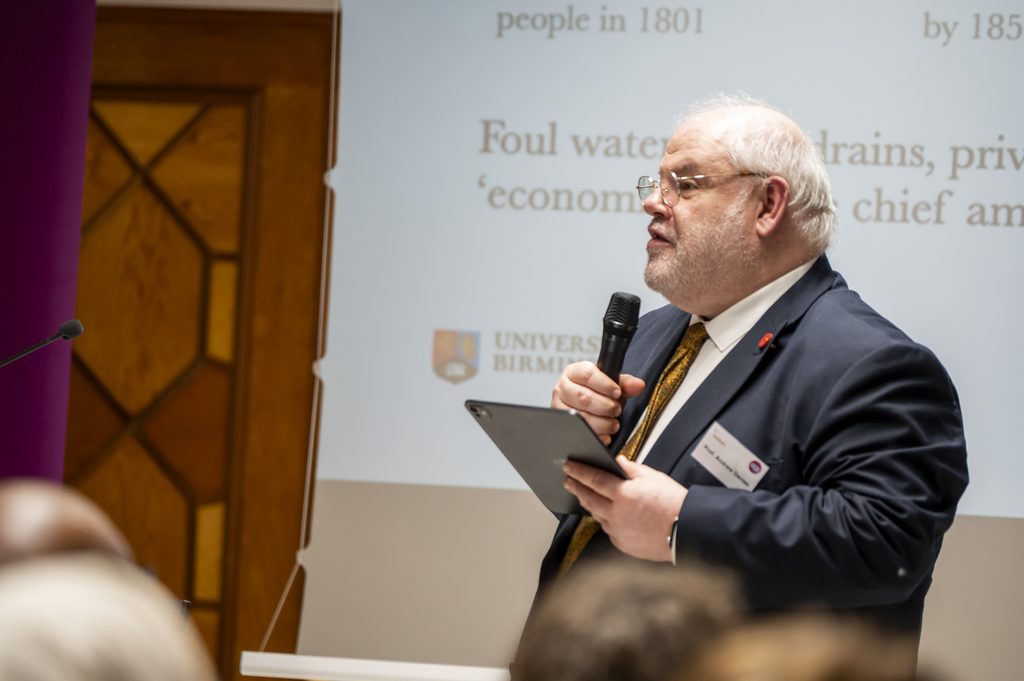
Professor Andrew Davies of the University of Birmingham reflected on Birmingham’s historic Civic Gospel tradition, highlighting how faith-inspired leaders helped shape improvements in education, health and public life. His presentation served as a reminder that faith communities have long contributed to the common good through service and civic engagement.
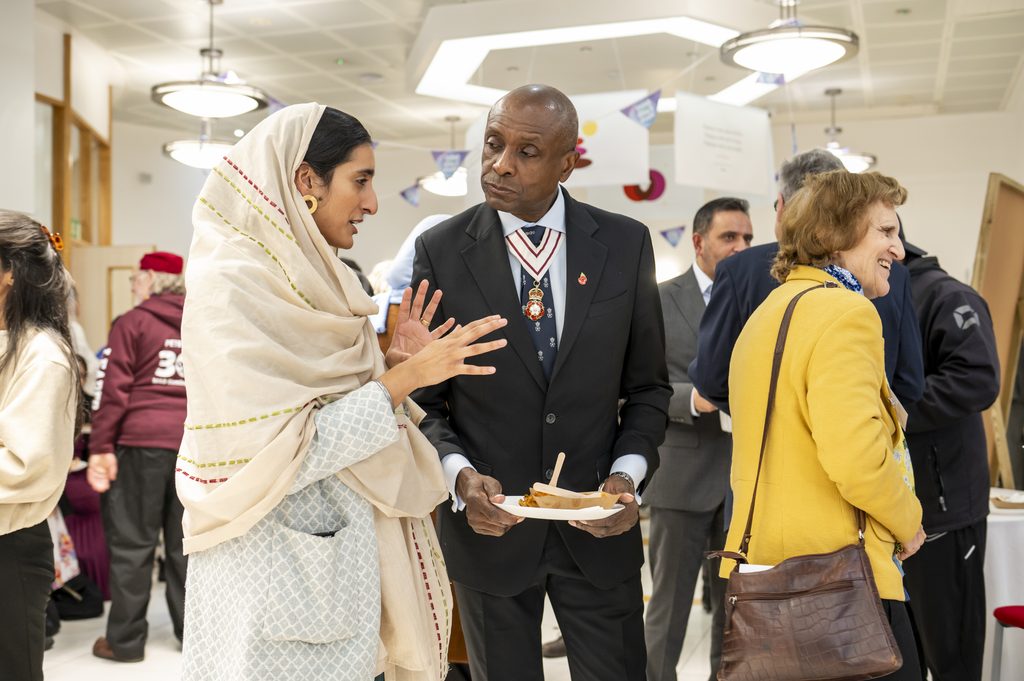
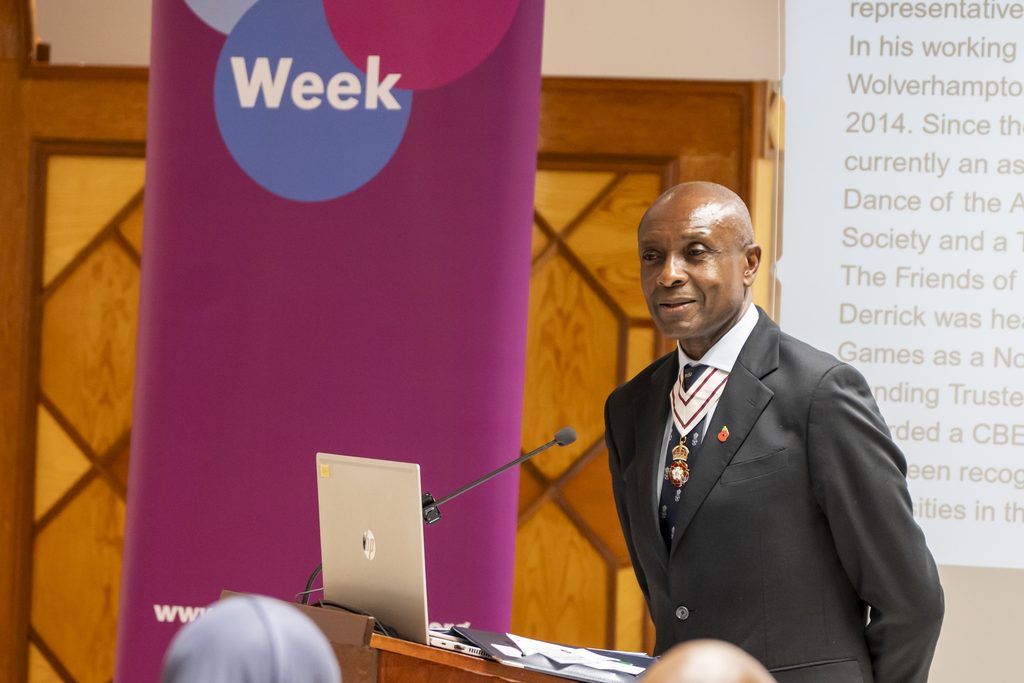
Further reflections were offered by Lord-Lieutenant Derrick Anderson CBE, who serves as the personal representative for His Majesty the King for the West Midlands region and was the former chief executive for Wolverhampton Council. A lifelong public servant confronting issues of social justice, he emphasised values of fairness, respect, service and excellence as foundations for strong communities.
Civic Leadership and Interfaith Partnership
The launch also explored how faith communities can work alongside civic institutions to strengthen social cohesion.
Representing the West Midlands Combined Authority, Ed Cox, Chief Executive Officer, spoke about the vital role of faith communities in building connected neighbourhoods and fostering belonging. During the event, plans were highlighted for a new Civic Faith Breakfast initiative, designed to bring together faith leaders, civic representatives and regional partners to encourage ongoing dialogue and collaboration throughout the West Midlands.
Young People Lighting the Way
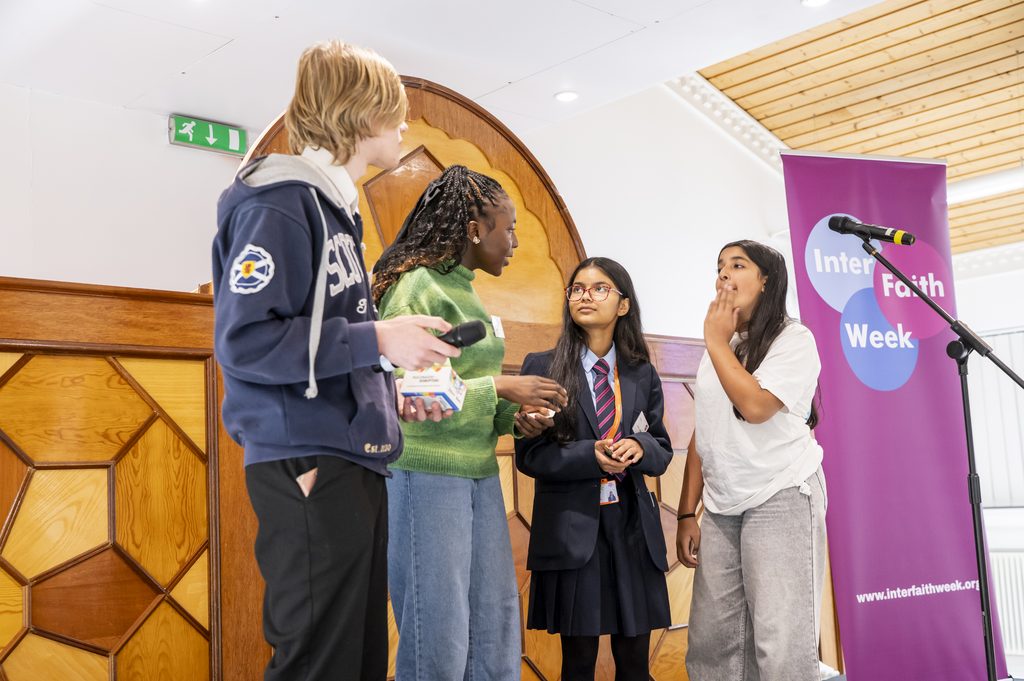
Young people played an important role throughout the launch. Representatives from The Feast facilitated interactive discussions encouraging participants to explore questions of identity, belonging, faith and hope.
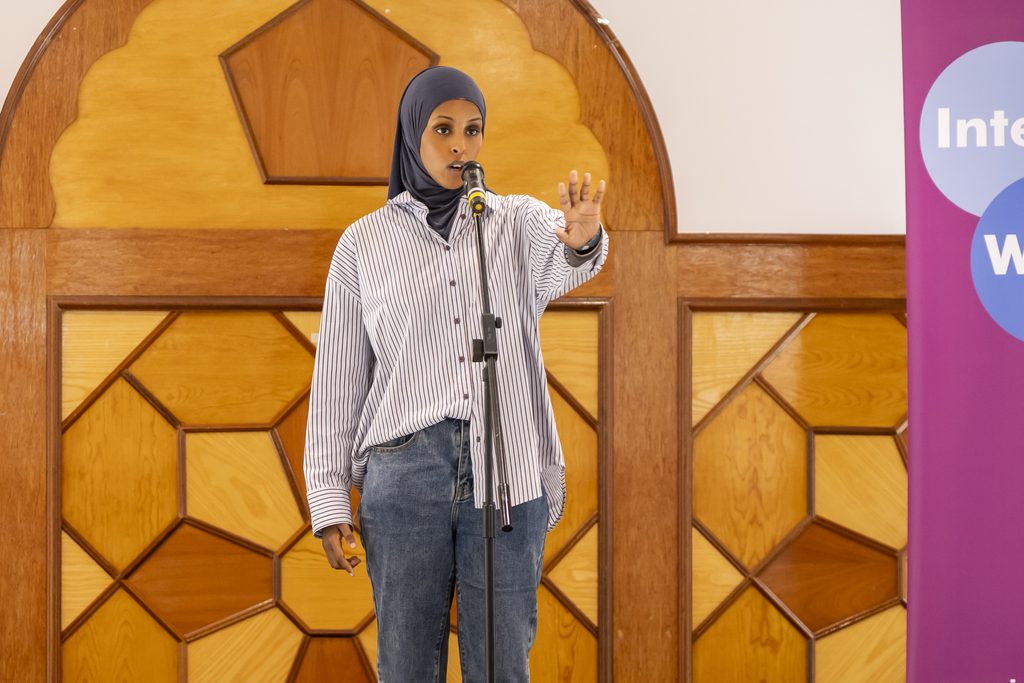
The event also featured a moving spoken-word performance from Ayan Aden, Birmingham Poet Laureate 2025-26, whose reflections on human connection and shared humanity resonated strongly with the audience.
These contributions reinforced a key message of Inter Faith Week 2026: that the future of interfaith relations will be shaped not only by institutions and leaders, but also by the willingness of young people to build friendships, challenge assumptions and create communities rooted in mutual respect.
Langar and the Spirit of Nishkam Sewa
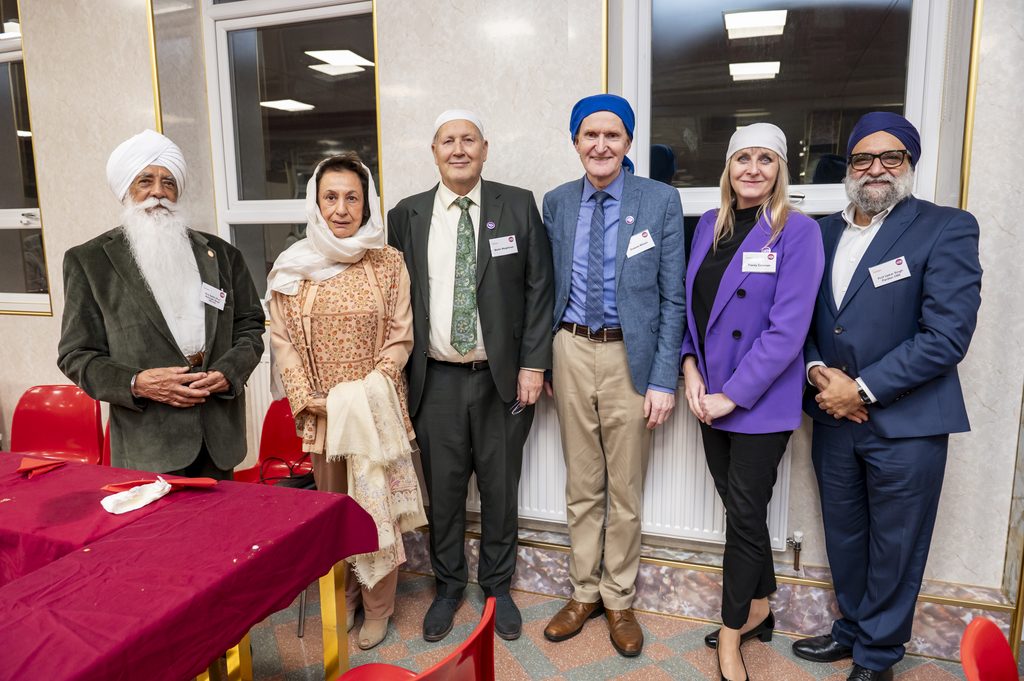
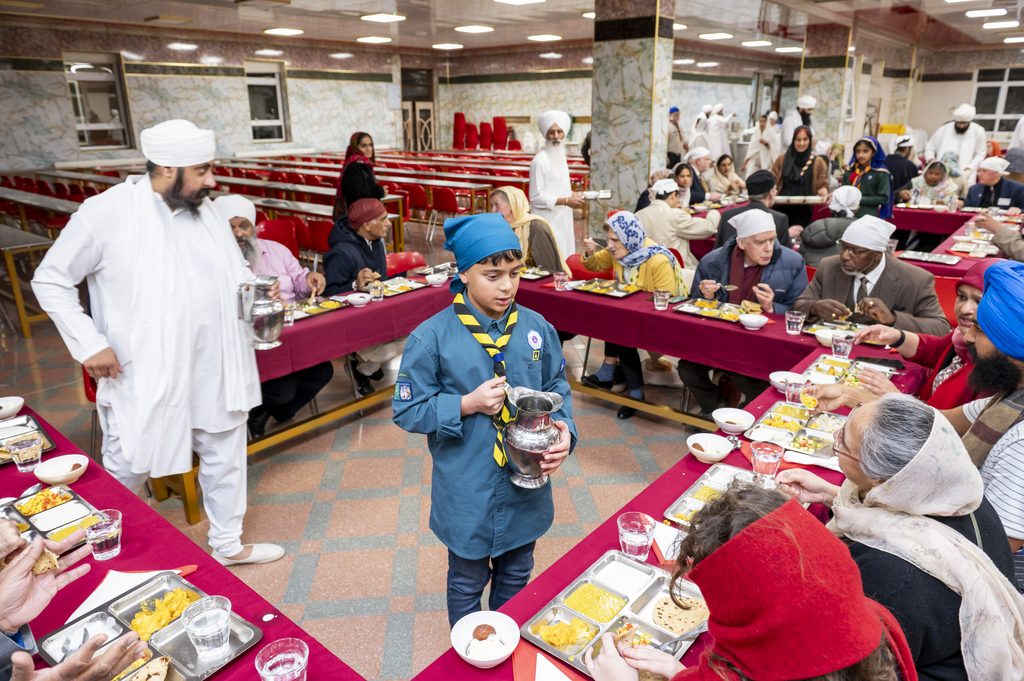
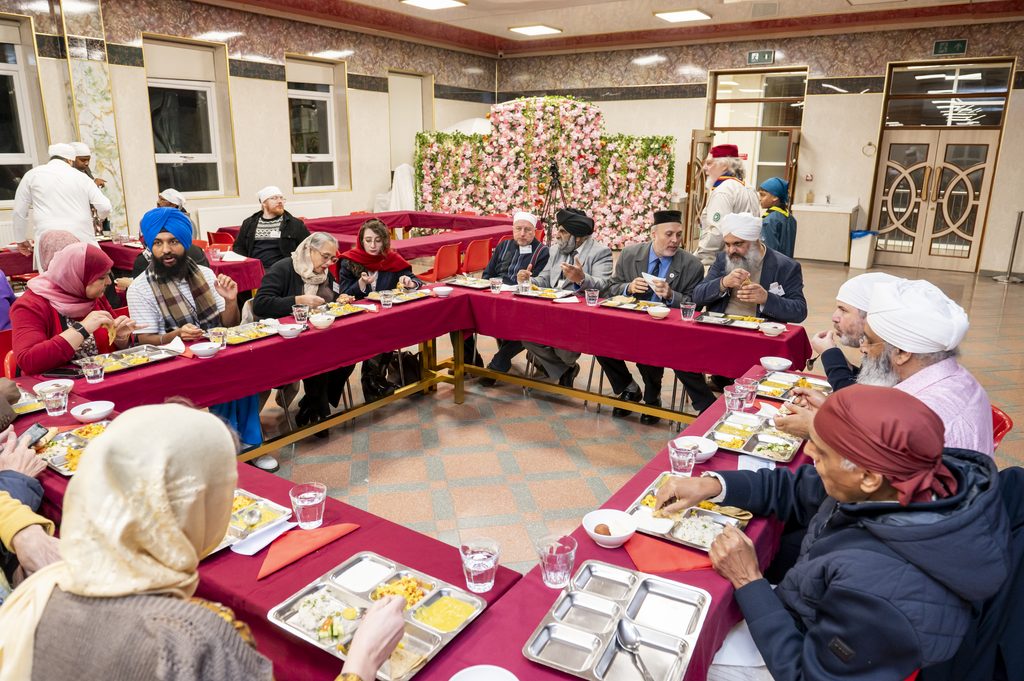
The launch concluded with a shared langar at the Spiritual Centre of the Nishkam Campus, supported by Nishkam volunteers and Birmingham Scouts. The Sikh tradition of a free community meal provided a practical expression of equality, hospitality and selfless service, bringing together people of different faiths, cultures and backgrounds around one table.
The gathering served as a powerful reminder that meaningful interfaith engagement is about more than events. It is about building trust, nurturing relationships and creating opportunities to work together for the common good.
As Inter Faith Week 2026 begins, the Nishkam Civic Association encourages individuals, schools, places of worship, community organisations and civic institutions across the country to participate in local activities and help strengthen the bonds that unite our diverse society.
Together, by lighting the way for a shared future, we can build stronger, more compassionate and more connected communities for generations to come.
A Call to Action for a Shared Future
One of the highlights of the launch was an inspiring address by Bhai Sahib (Prof.) Mohinder Singh Ahluwalia OBE, KSG. Spiritual Leader of Guru Nanak Nishkam Sewak Jatha, he is chair and patron to the wider Nishkam Group of Organisations, and co-chair of the international Peace Charter for Forgiveness and Reconciliation.
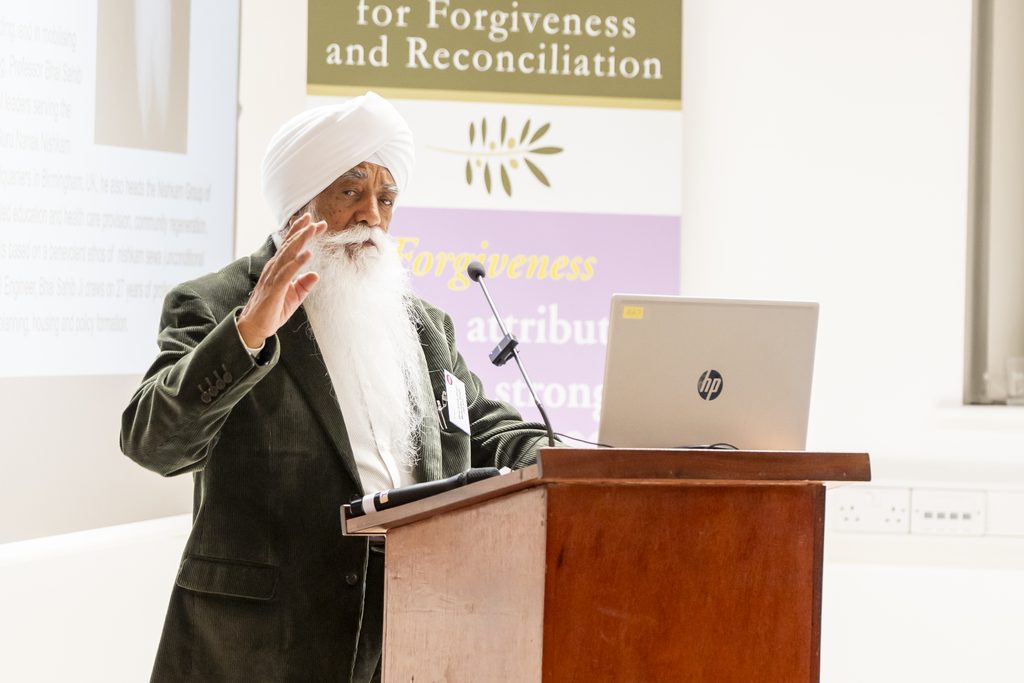
Reflecting on the wisdom contained within faith traditions, he emphasised the importance of compassion, truthfulness, humility, contentment and love in addressing the challenges of modern society.
“Faith traditions contain vast reservoirs of wisdom accumulated over centuries. They ask questions about meaning, purpose, responsibility, human dignity, service, forgiveness and hope.
These are not peripheral concerns – they are central human concerns. The greatest educational challenge before us may not be choosing between the secular and the spiritual, as if the two are opposed; it may be learning how to bring them into constructive dialogue for the benefit of future generations. The future requires more than technically competent citizens. It requires morally responsible citizens, and it requires peacemakers.”