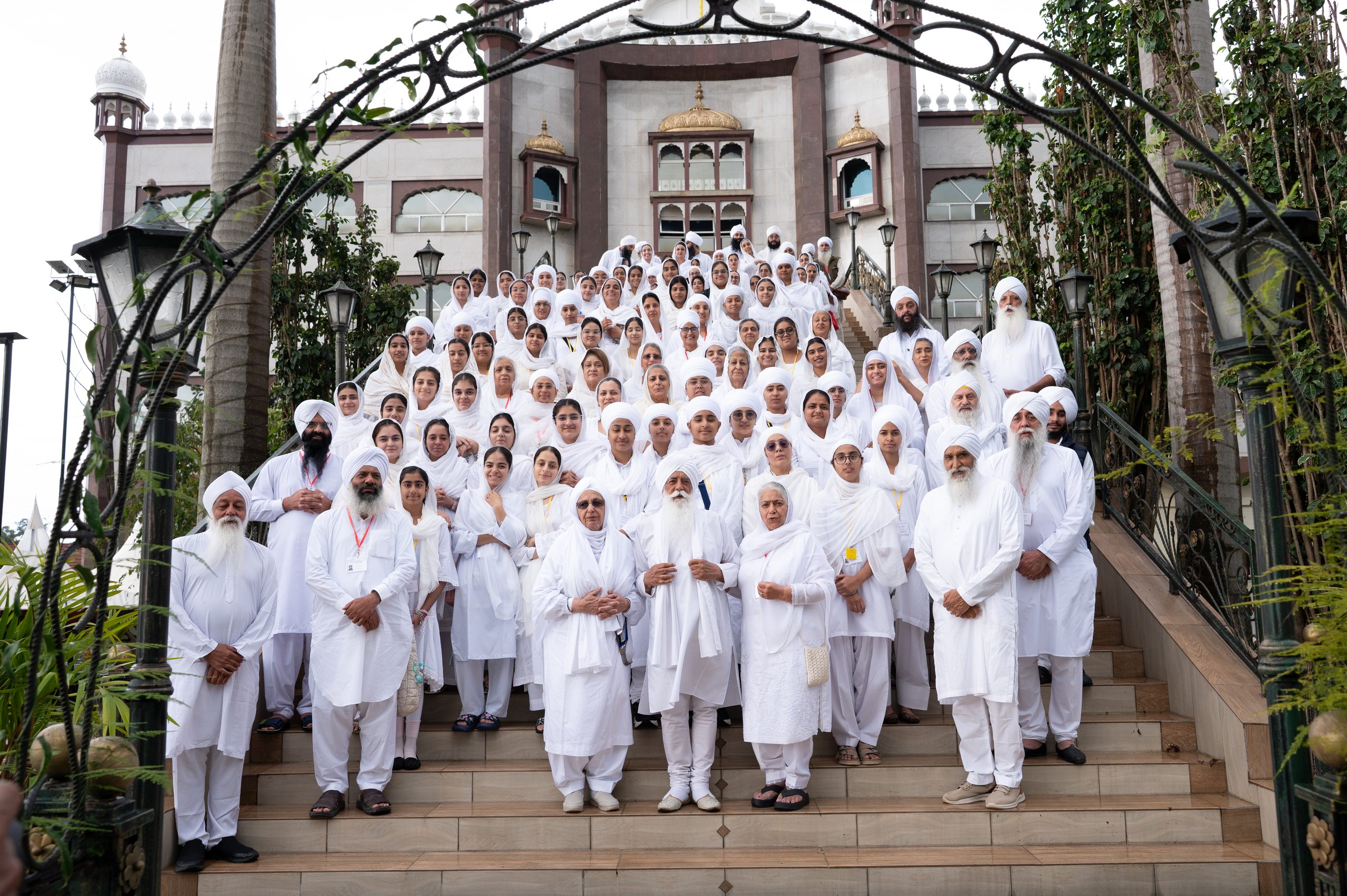
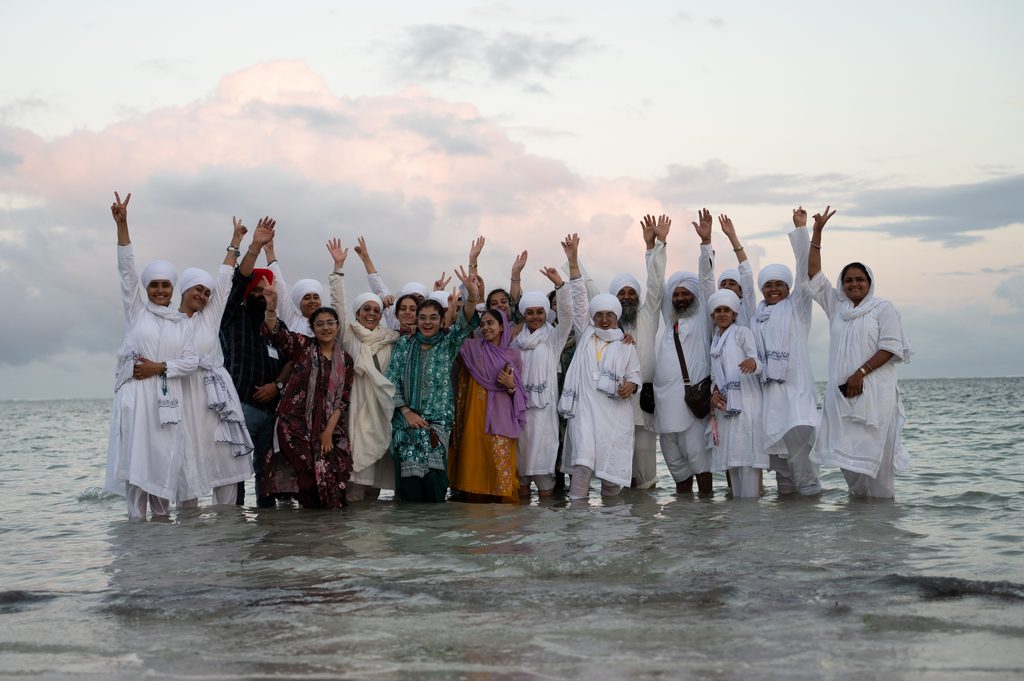
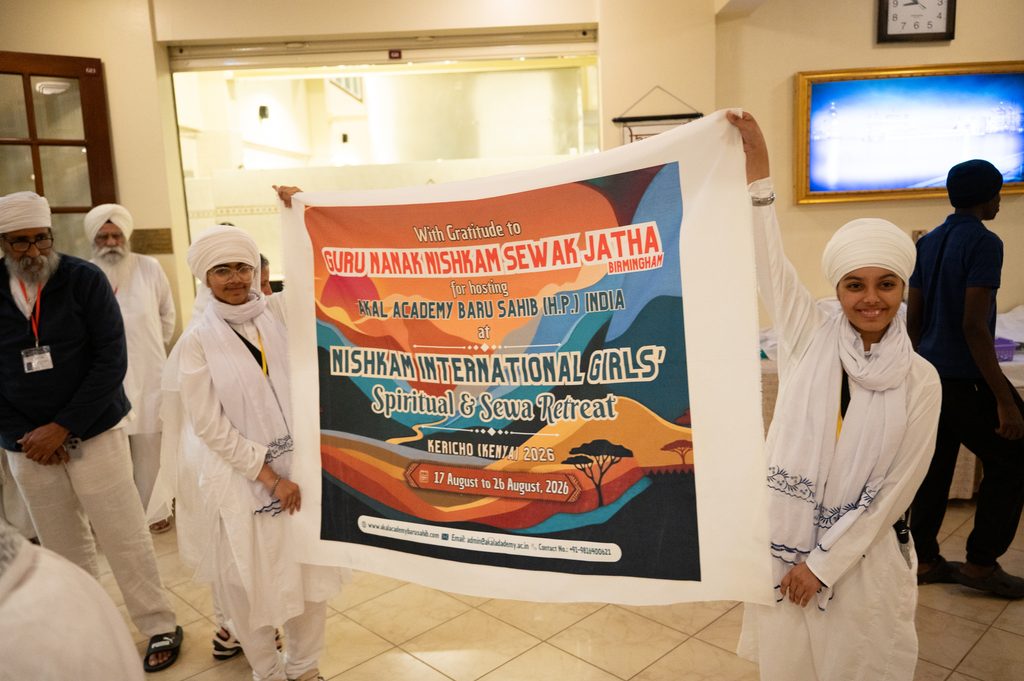
The Nishkam International Girls’ Spiritual Retreat 2026 was held in Kenya from 17–27 August, bringing together 60 girls, 20 educators and approximately 50 GNNSJ sewadars. From across four countries, ten girls and 2 teachers were selected from each of the following six leading Panthic and educational organisations:
- Guru Nanak Nishkam Sewak Jatha (GNNSJ)
- Shiromani Gurdwara Parbandhak Committee (SGPC)
- Nankana Sahib Schools
- Chief Khalsa Diwan (CKD)
- Akal Academy Baru Sahib
- The Sikh Council of Kenya
Bringing these organisations together for the first time, the Retreat was planned and delivered by women, for the next generation of Sikh women – placing female leadership and empowerment at its heart from the outset.
The willingness of the partner educational and Panthic organisations to entrust girls from their sangat to the care of GNNSJ’s sevadars was a reflection of deep trust, respect and enduring relationships that the Jatha has built through its heritage conservation kaar-sewa in India over the past forty years.
Retreat Conception and Planning
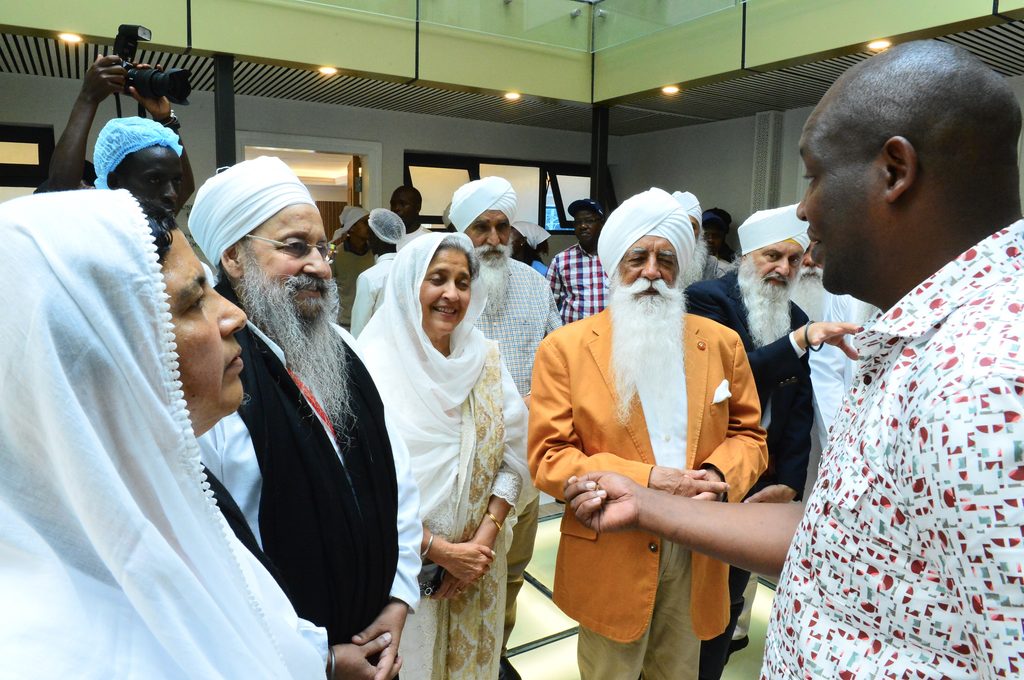
This visionary retreat was conceived under the guidance of Bhai Sahib (Prof.) Mohinder Singh Ahluwalia, Chairman and Spiritual Leader of GNNSJ, who sponsored and hosted the initiative at a cost of approximately £85,000. The eight-day programme was presided over by a distinguished gathering of Sikh spiritual, educational and institutional leaders, including Bhai Sahib Mohinder Singh Ji and Mata Baldev Kour Ji of GNNSJ; Babaji Dr Davinder Singh Ji and Mata Neelam Kaur Ji of Akal Academy Baru Sahib; Bibi Harjinder Kaur Ji, Executive Member of the Shiromani Gurdwara Parbandhak Committee (SGPC); Giani Daya Singh Ji, Granthi Sahiban Nankana Sahib; and Bibi Malkiat Kaur Ji. The initiativeenabled the esteemed senior leaders, along with all participants and sewadars to live, guide, learn, travel and serve together as one sangat.
More than ten months of planning, research and international coordination went into bringing the vision to fruition, rooted in the conviction that education must be values-led, grounded in Dharam and focused on the development of the whole person – ‘Kia parheeai kia guneeai, Kia bed puraanaan suneeai, Parhe sune kia hoi, Jau sahaj na milio soi.’ (SGGS Ang 655).Education, therefore, is not simply about acquiring knowledge, but about transforming knowledge into wisdom, character and action where true learning inspires one to work for the welfare of others ‘Vidya vichaari ta parupkaari’ (SGGS Ang 356).
Within Sikhi, Dharam provides the moral and spiritual foundation through which secular education can be understood and applied. Connecting with God is not optional; it is a prerequisite for true empowerment. When knowledge is rooted in Dharam, it can cultivate love, compassion, mutuality and a sense of responsibility towards God’s Creation – enabling one to move beyond self-interest towards parupkaar, the uplifting of others.
This is particularly important in nurturing young women who can contribute towards a much needed peaceful and compassionate world, recognising that lasting peace begins with transforming the human mind, which remains one of our greatest challenges.
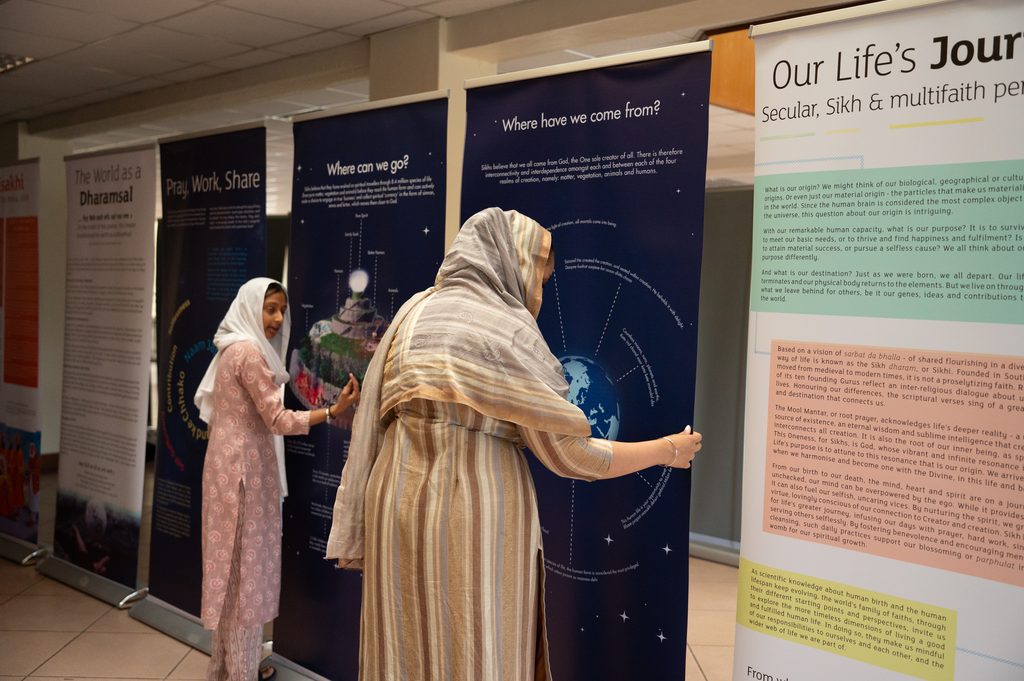

A Journey Through Kenya
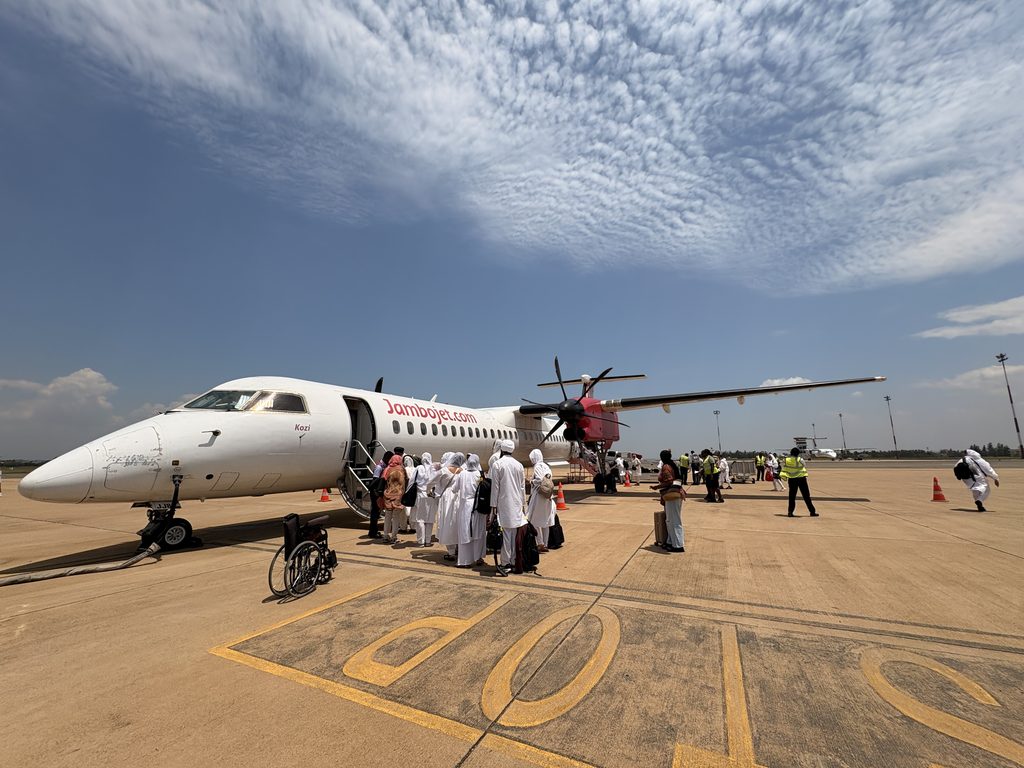
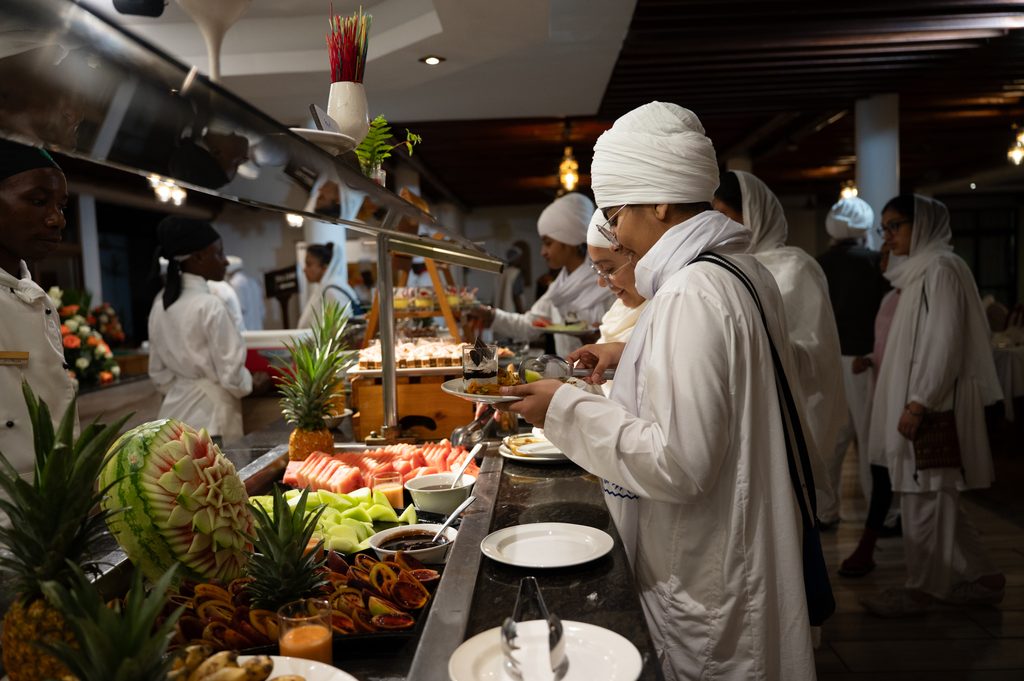
The participants travelled through Nairobi, Kericho, Kisumu and Mombasa, undertaking six flights over 10 days, and a six-hour train journey from Mombasa to Nairobi. This took the group through Kenya’s diverse landscapes – from the coastal region, across the Tsavo wildlife corridor, towards the highlands.
The main retreat was held at GNNSJ’s Kericho Tapp-Asthan, a site of profound historical and spiritual significance to the Sikh community in East Africa. Sant Baba Puran Singh Ji spent 49 years of family life in Kericho, dedicating this period to kirat, sewa, naam-simran, paath, kirtan and the conducting of Amrit Sanchar. The three-storey Gurudwara Asthan preserves the family residence dating from 1925 and the former workshop ‘Kericho Wagon Works’, and remains the largest Gurudwara in Africa.
An Experience Beyond the Familiar
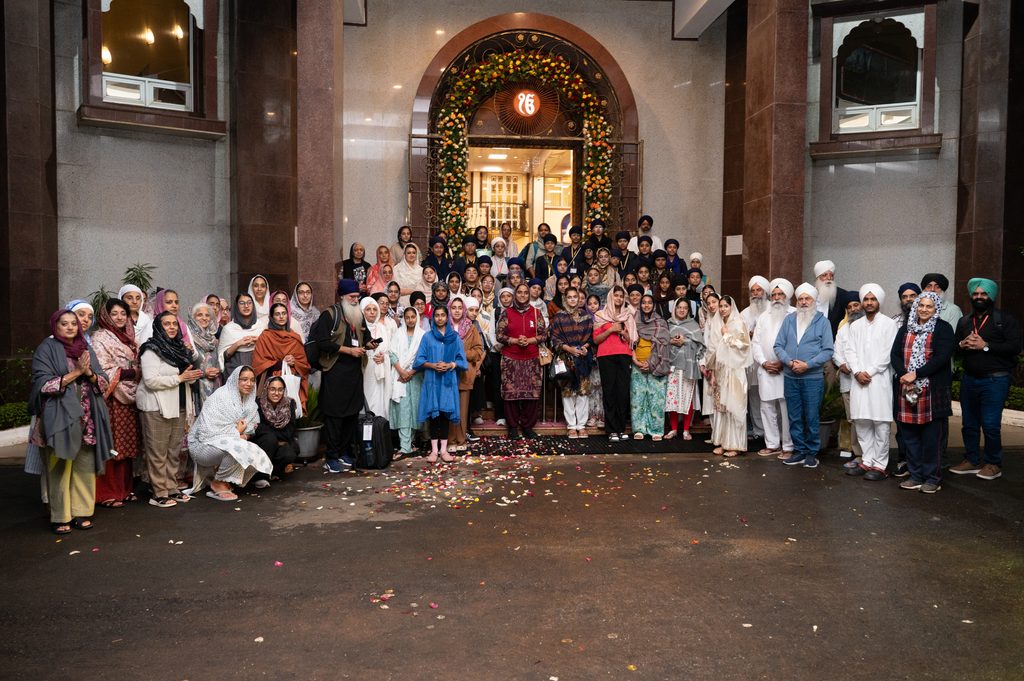
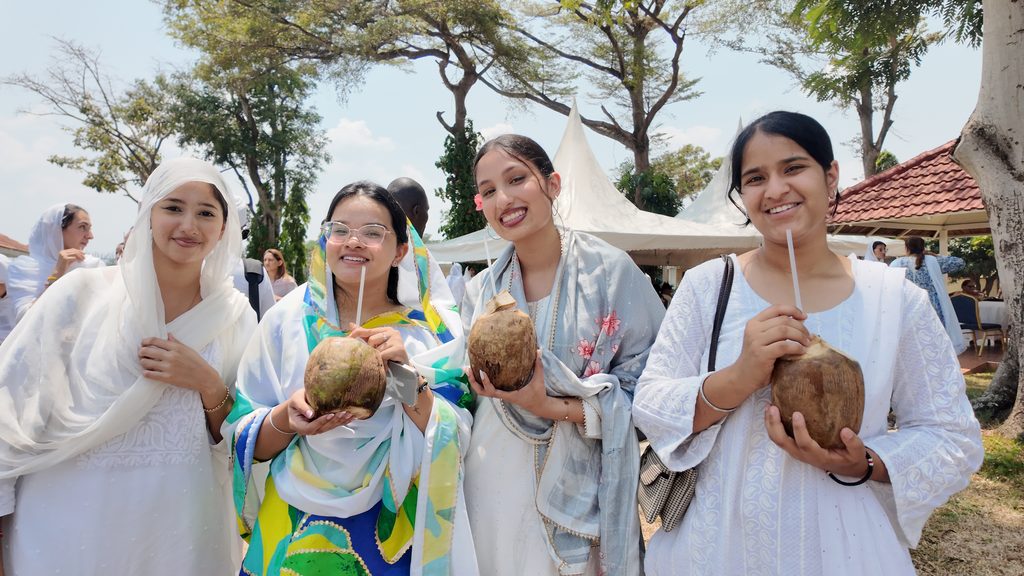
For many of the girls, aged 13–19, the retreat expanded their horizons beyond their everyday lives. Having rarely travelled beyond their hometowns or schools, the journey across Kenya became a once-in-a-lifetime experience, creating memories and perspectives that will remain with them long after the retreat.
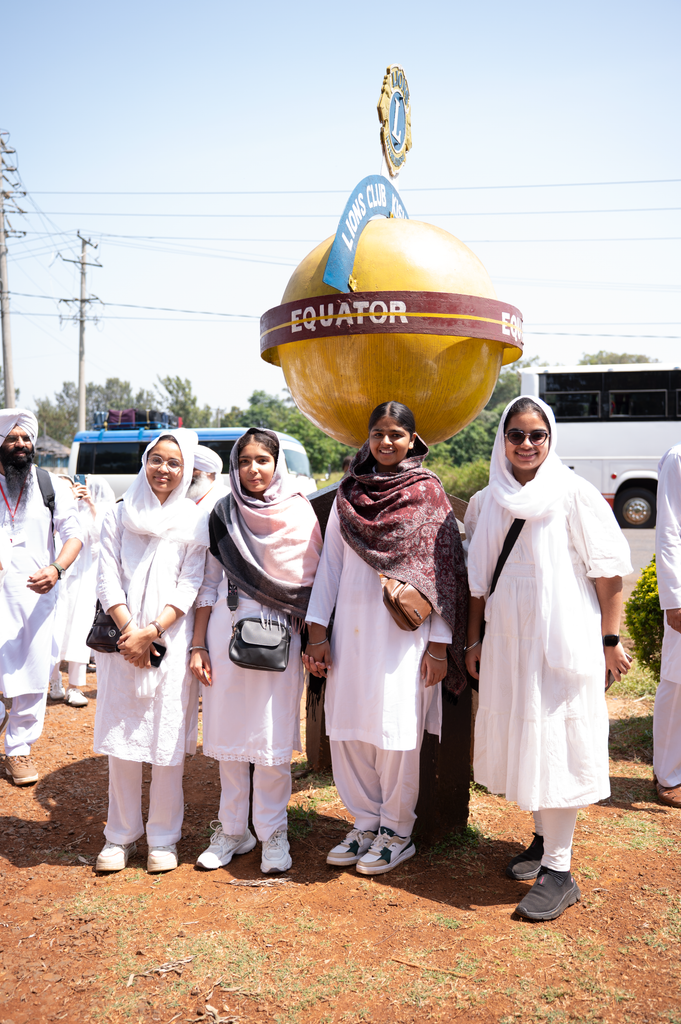
From the vast waters of Lake Victoria, the world’s largest tropical freshwater lake and a source of the River Nile, to the shores of the Indian Ocean in Mombasa; from standing on the Equator to discovering Kenya’s renowned tea-growing region at Browns Tea Plantations – each journey introduced them to new landscapes, people, cultures and perspectives.
The girls also had the opportunity to spend time with local tribal schoolgirls, learning first-hand from their experiences. They then met the Governor of Kericho, H.E. Dr Eric Kipkoech Mutai, who made a special visit to officially open the New Kericho Nishkam Centre, opposite the Kericho Gurudwara Asthan.
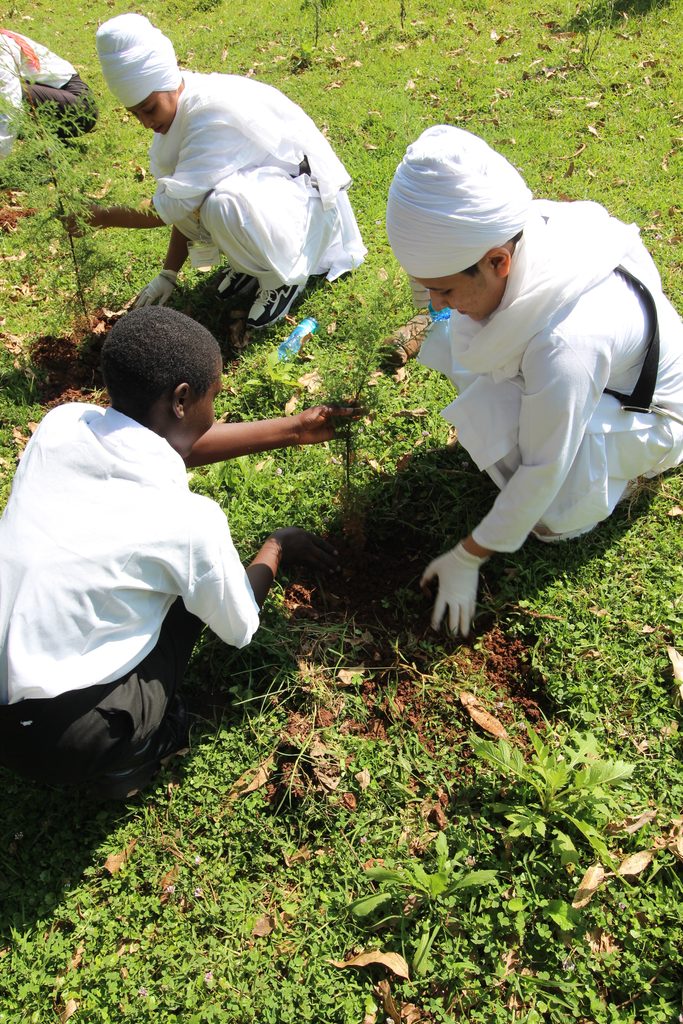
Approximately 600 trees were planted at five local schools (Kericho Day Secondary School, Matobo Secondary School, Kaptebeswet Secondary School, Kericho Township School and Highlands Primary School), combining practical nishkam sewa with environmental stewardship.
For these young girls, this was more than a retreat. It was a journey of female empowerment rooted in Sikh wisdom and the practice of lived values and virtues. The five virtues of pyaar (love), nimrata (humility), daya (compassion), santokh (contentment) and himmat (courage) were brought to life through role-modelling, teamwork, sewa, shared experiences and caring for one another, leading to increased confidence, resilience and a sense of shared responsibility, self-help and self-reliance.
The Kericho Tapp-Asthan, imbued with 49 years of spiritual life and nishkam sewa, provided a unique spiritual atmosphere – a catalyst that brought together the learning, relationships and experiences of the retreat.
‘Meeting very many strong, confident and inspiring Sikh women made me feel proud of being a Sikh girl. Seeing them balance their Sikhi, education, careers and personal lives showed me that being a Sikh woman was a source of strength and confidence. I want to carry that confidence forward, speak up for myself, work hard towards my goals and always stay grounded in the values of Sikhi.’ – Nadar Jot Kaur (Baru Sahib) – Student
Dharam, Education and Nishkam Sewa Retreat
The retreat sought to make Sikhi a lived experience rather than simply a subject of study – nurturing deep reflection and reverence for the wisdom revealed through the Guru:
- ‘Sikh matt sabh budh tumāri, mandar chhāvā(n) tere…’ (SGGS Ang 795).
This understanding was further reflected in three fundamental teachings:
- ‘Sikhi sikhya gur vichaar, Nadri karam lagaai paar’ – Sikhi is learned through contemplating the Guru’s teachings (SGGS, Ang 465);
- ‘Sabh Sikhan ko hukam hai, Guru manyo Granth’ – all Sikhs are instructed to recognise Sri Guru Granth Sahib Ji as the eternal Guru;
- ‘Jab lag Khalsa rahe niaara, Tab lag tej deeo meh saara’ – so long as the Khalsa remains distinct in identity and conduct, its spiritual strength and sovereignty will endure.
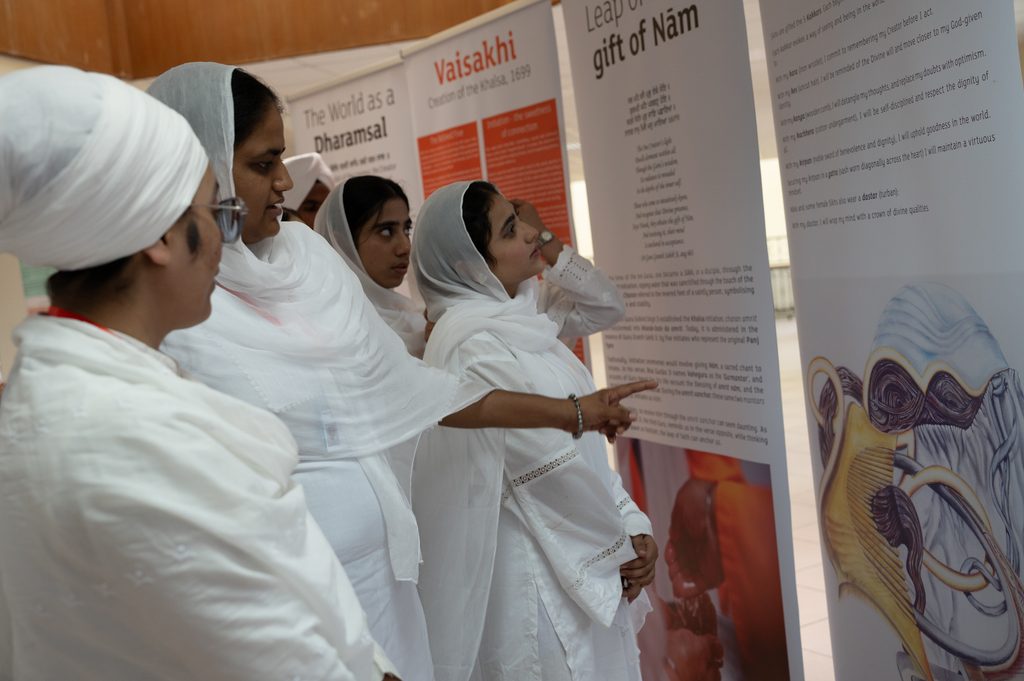
Naam is central to Sikhi and is expressed through two Divine mantars: the Mool Mantar, from Ik Oankar to Gurprasad, and the Gurmantar – Waheguru. As Gurbani teaches, ‘Oochay upar oochaa naao…’ – Naam is exalted above all, and ‘Bin naavai nahi ko thao…’ – without Naam, there is no place of refuge.
The soul is a Divine spark of God – eternal in nature and journeying towards its ultimate source. It is through Naam that the soul awakens to this Divine nature and reconnects with its source, revealing the true purpose of human life. During the retreat, the girls explored three transformative dimensions of Naam:
- Naam connects the soul with the Divine and guides it towards its ultimate union with God;
- Naam gives us the strength to overcome inner vices;
- Naam releases the consequences of past karams.
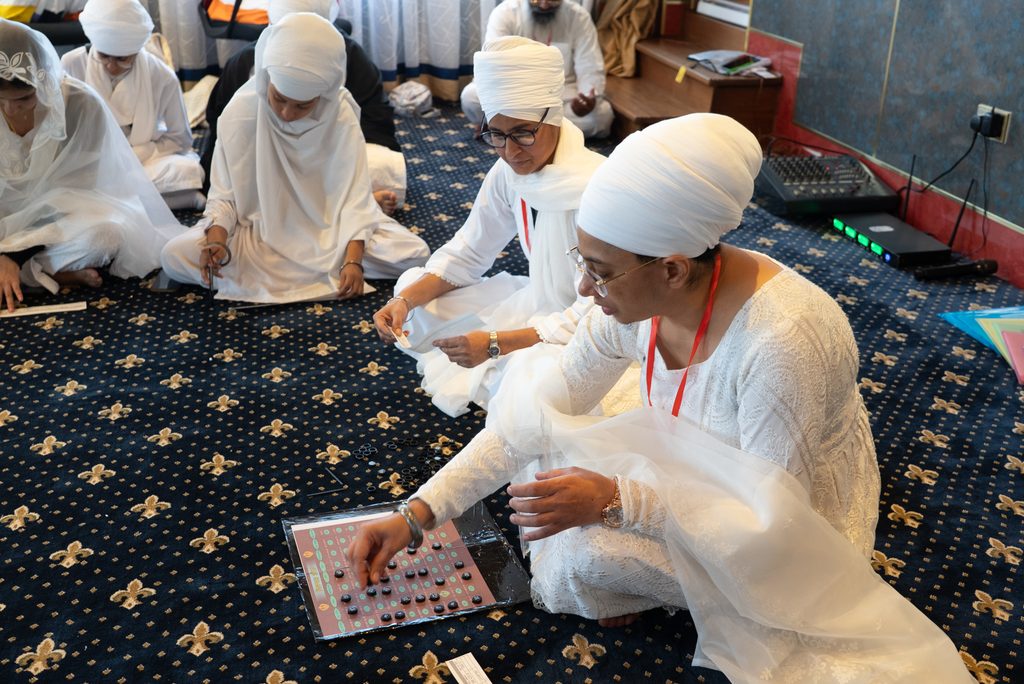
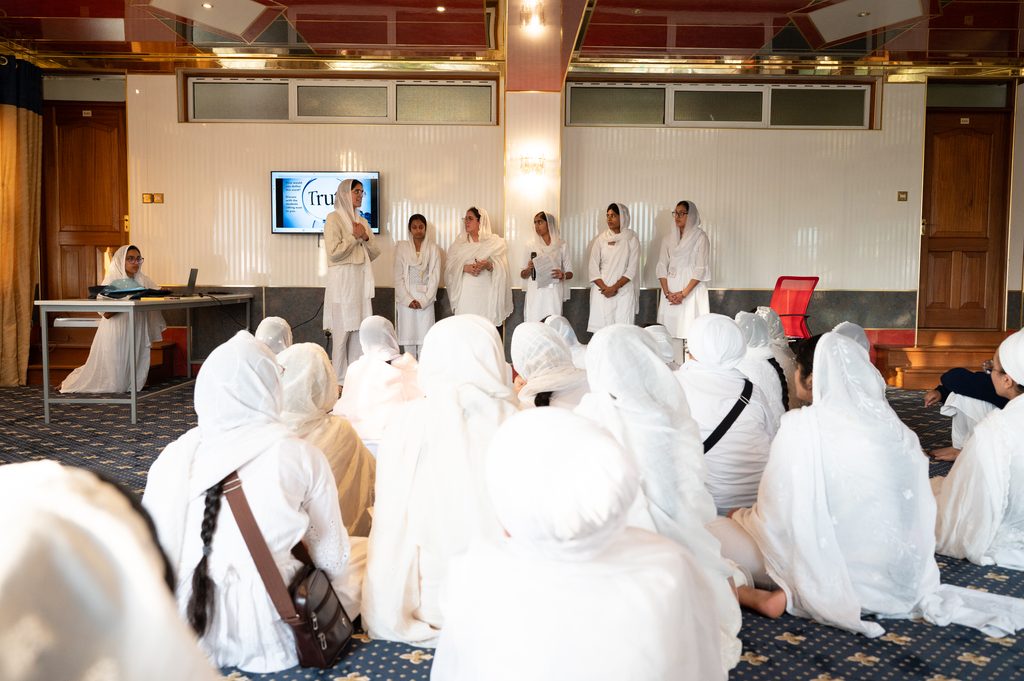
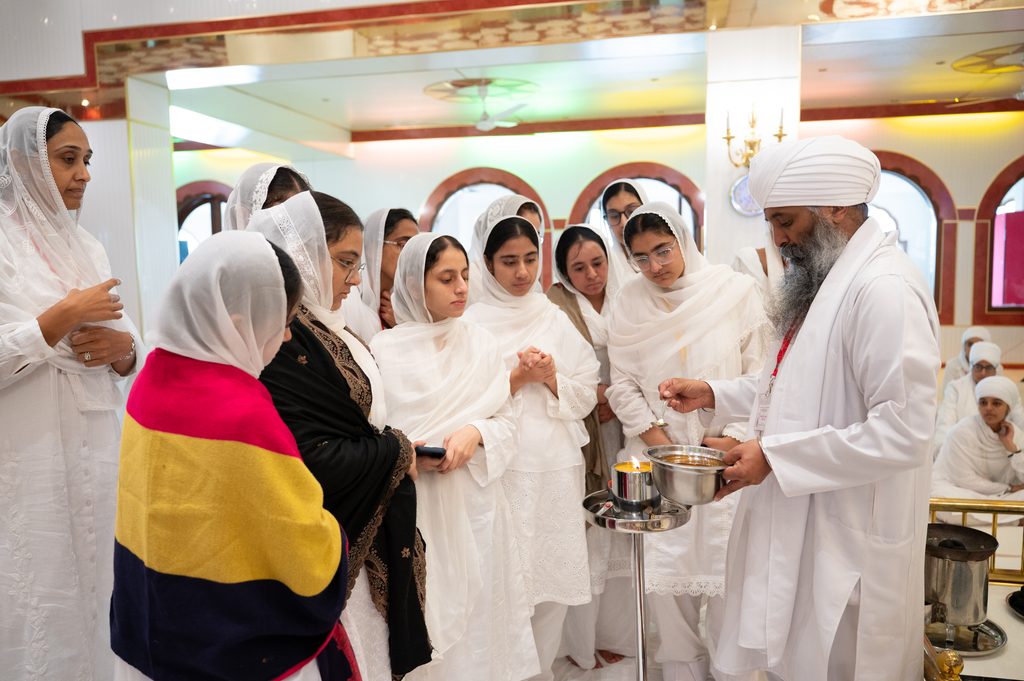
Throughout the eight days, collective naam-simran enabled the girls to reflect on the power of Naam: ‘Naam japat trisna sabh bujhi hai…’ (SGGS, Ang 673). This spiritual foundation was woven throughout the daily schedule, centred on Sikh Rehat and incorporating Nitnem, Asa Ji Di Vaar, paath, naam-simran, kirtan and sewa. Vichaar on Gurbani, the tradition of kavishri, games and creative activities further encouraged reflection, teamwork and friendship.
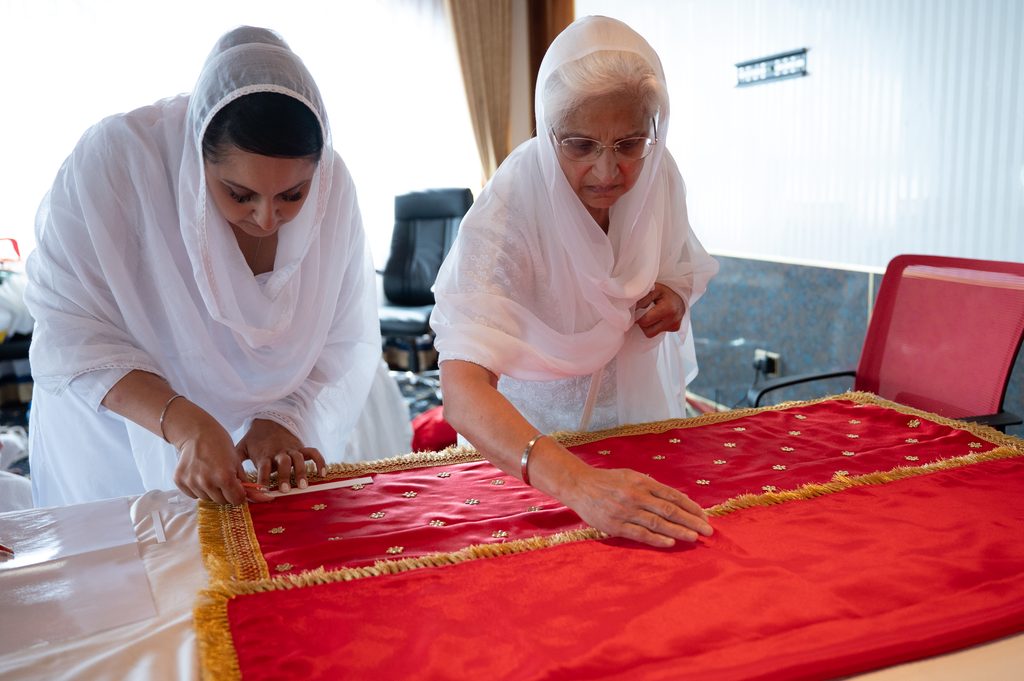
Nishkam sewa was practised as an expression of humility, responsibility and care for others – recognising that true service is selfless and free from personal gain: ‘Sewa karat hoi nehkaamee, tis kou hoth paraapat suaami…’ (SGGS, Ang 286).
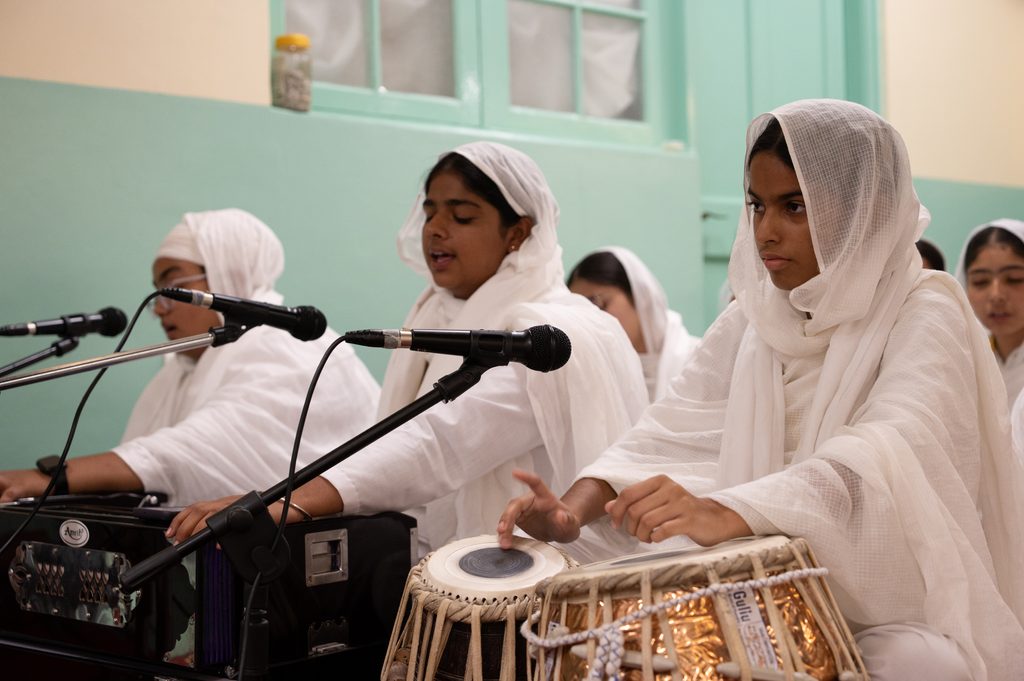
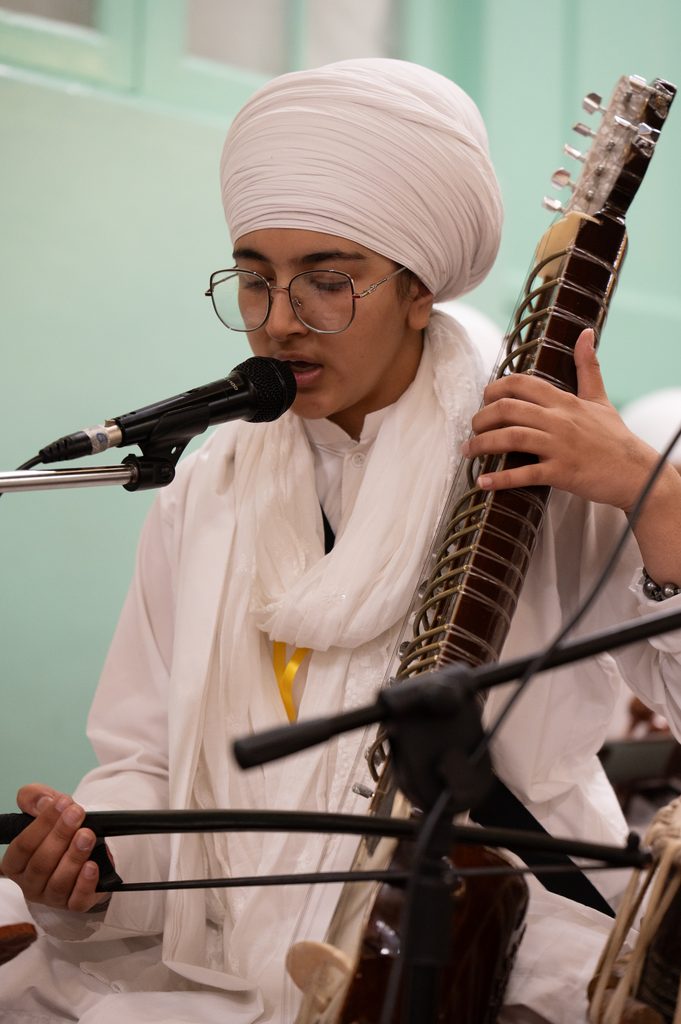
Kirtan was another integral part of the retreat, giving the girls opportunities not only to participate but to experience its spiritual depth and significance in Gurbani: ‘Kaljug mai kirtan pardhaana, Gurmukh japi-ai laai dhiaana’ (SGGS, Ang 1075) – highlighting kirtan as a profound means of remembering and praising the Divine.
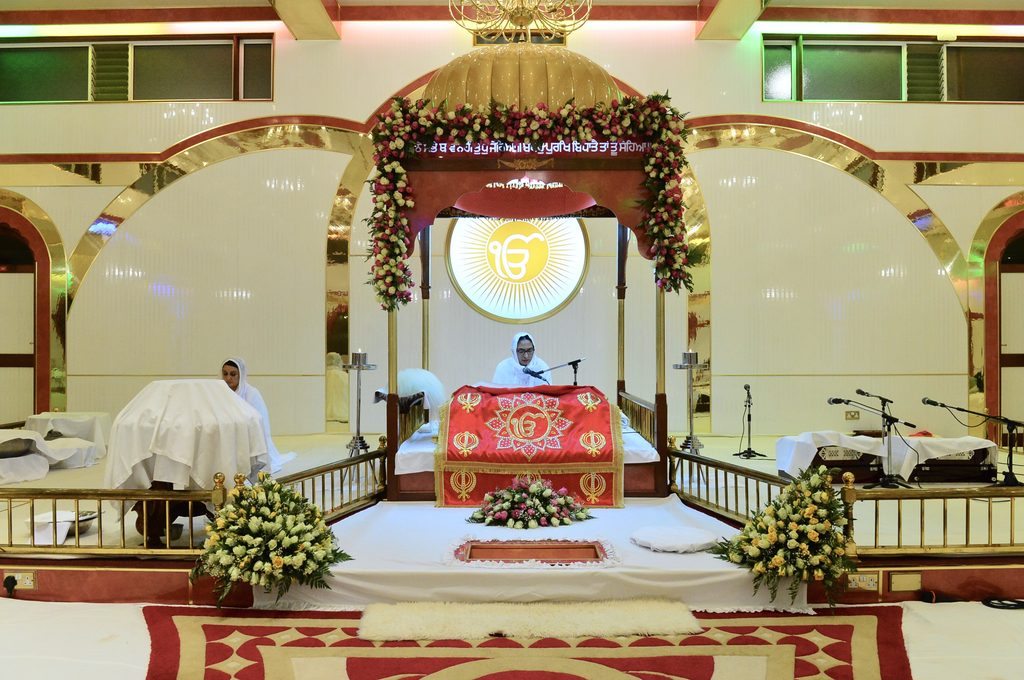
During the retreat, the girls participated in Kirtan Diwans at four Gurudwaras:
- Guru Nanak Nishkam Sewak Jatha Kericho Gurudwara Asthan
- Gurudwara Ramgharia Sabha Kericho
- Gurudwara Siri Guru Singh Sabha Kisumu
- Gurudwara South C Nairobi.
Meeting local Sangat and connecting with young Sikhs across Kenya reminded them, that although their journeys had begun from different places, they were part of one global Sikh Panth.
A particular highlight was the Akhand Paath Sahib sewa, carried out by the girls and teachers, and was followed by an Amrit Sanchar. This, alongside collective nishkam sewa, provided a lived experience side by side as Guru Ji’s sangat – ‘Mil sangat gunn pargas’ (SGGS, Ang 10).
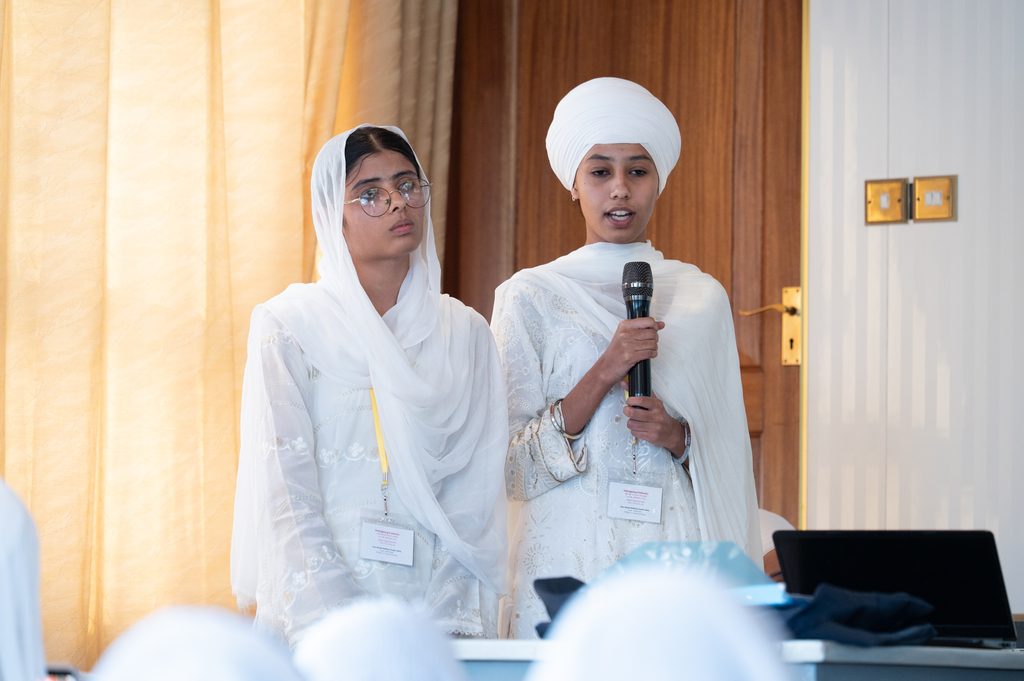
‘One of the most joyful aspects was meeting Sikh girls and women from different countries, sangats, and organisations. Despite our small differences of cultures, languages, and backgrounds, we were united by our love for Gurbani and Sikhi. Strangers became friends, and we experienced a beautiful sense of belonging to the wider Sikh Panth.’ – Dr. Inderpreet Kaur (S.G.P.C) – Teacher
A New Chapter in Sikh Collaboration
The scale of the journey reflected the commitment behind the initiative. Across the full journey of the retreat, SGPC, CKD, Baru Sahib and Nankana Sahib groups each travelled approximately 13,000 kilometres, while the UK team travelled approximately 20,000 kilometres.
More importantly, young women from different countries, schools, cities, villages and backgrounds came together and, for ten days, lived as one family. For the girls from Nankana Sahib in particular, whose opportunities to travel within their community are greatly restricted, the Retreat provided a rare opportunity to form lasting friendships and experience the warmth, love and support of the wider Sikh fraternity.
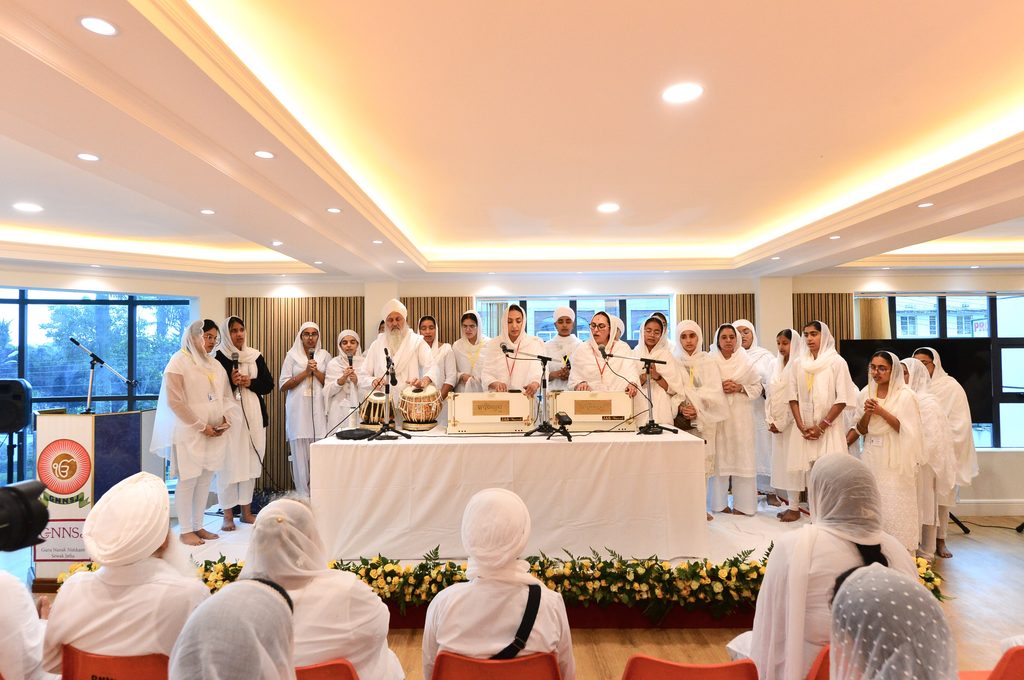
‘The beautiful bonds, laughter, conversations, and togetherness made these ten days even more special. Meeting and spending time with so many wonderful people who had come together from different places made me feel welcomed, connected, and truly blessed.’ – Manavjot Kour (Nankana Sahib) – Student
Through the retreat, the girls were encouraged to see Dharam as a natural way of life – virtuous living and righteous, responsible conduct, rooted in wisdom, love and virtue, being conscious of both the Creator and creation, and recognising the Divine presence in all. Learning to always remain in chardi kala – resilient faith and ever-ascending optimism – the girls explored how these virtues shape choices, relationships and our contribution to the world, going beyond oneself through parupkaar – living for the good of others.
Going forward in this spirit, nishkam sewa becomes more than an act of service; it becomes a lifelong way of living, helping build communities and institutions dedicated to the flourishing and wellbeing of all – sarbat da bhalla.
‘My greatest takeaway from this retreat is the invaluable asset of Discipline. I discovered the true essence and beauty of selfless sewa. Above all, I learned to remain humble and deeply connected to the Almighty Guru.’ – Hardarsh Kaur Maan (Chief Khalsa Diwan) – student
At its heart, the retreat was also an investment in the collective empowerment of Sikh girls and young women – nurturing confidence, leadership, spiritual understanding and a sense of responsibility for the future. Young women equipped with knowledge, virtues and the confidence to value their voice and contribute, become powerful agents of positive change within their families, communities and the wider society – locally and globally.
To continue this learning beyond the retreat, a Nishkam Resource Guide has been prepared and will be delivered as an online course, deepening the girls’ understanding of the teachings, values and experiences explored in Kenya. It will also provide a shared foundation of learning and preparation for the next retreat, ensuring that this journey continues to grow from one gathering to the next.
The Retreat demonstrated the potential of leading Sikh institutions of learning and leadership to work collectively to nurture future generations through a shared commitment to Gurmat and Dharam. It marks an important beginning and an opportunity for these institutions to build a more visionary and sustained collaboration, with a shared commitment to investing in Sikh youth and, in particular, empowering the next generation of Sikh women to lead with wisdom, courage, compassion and selfless sewa.


