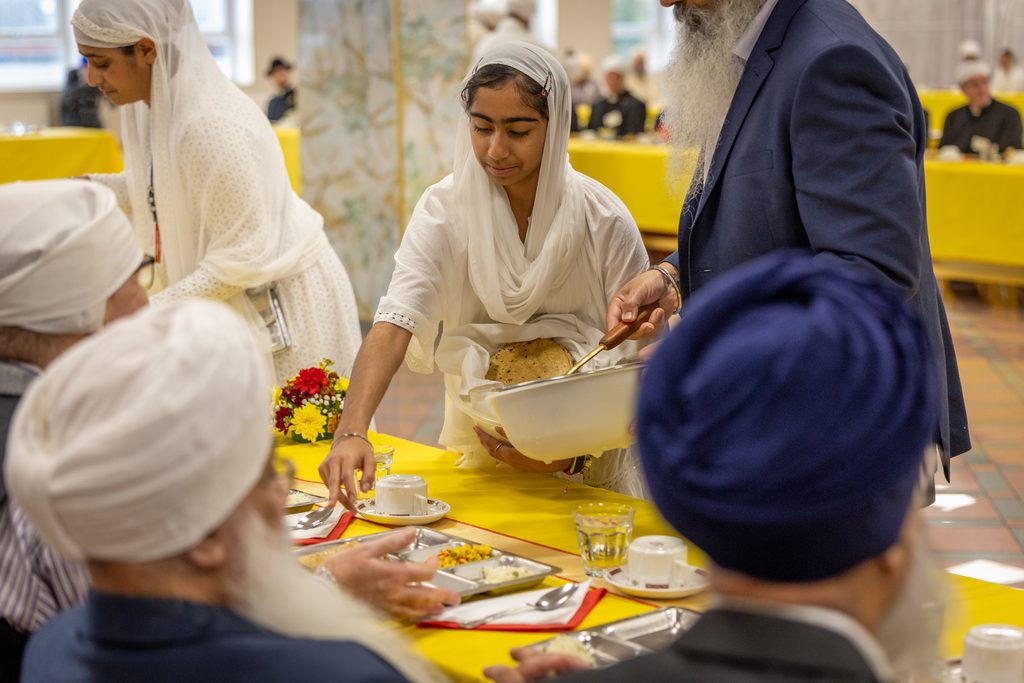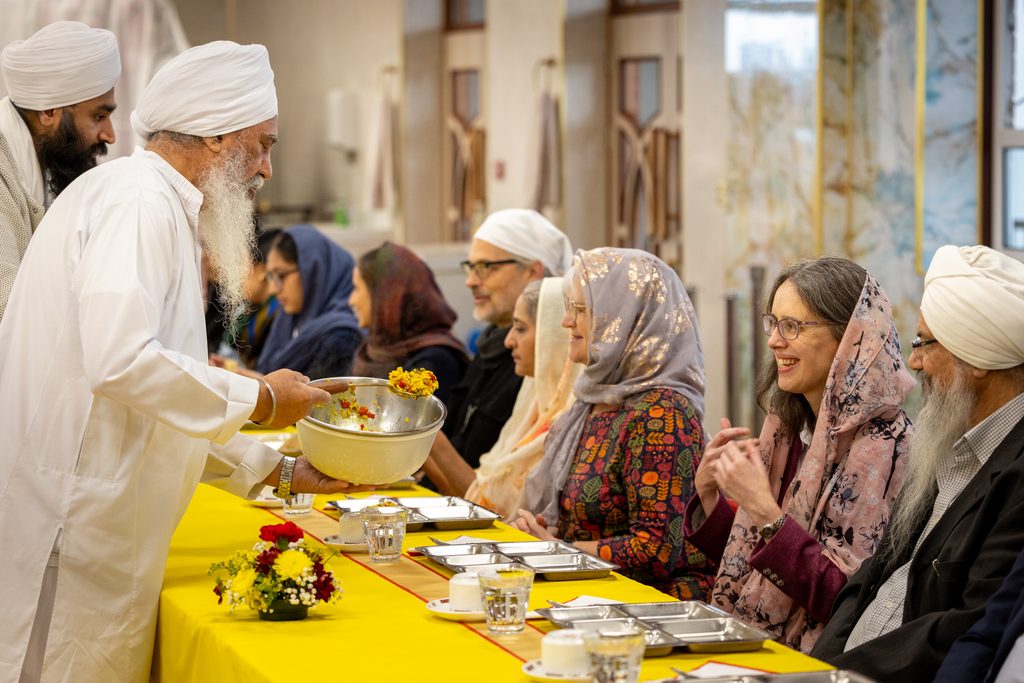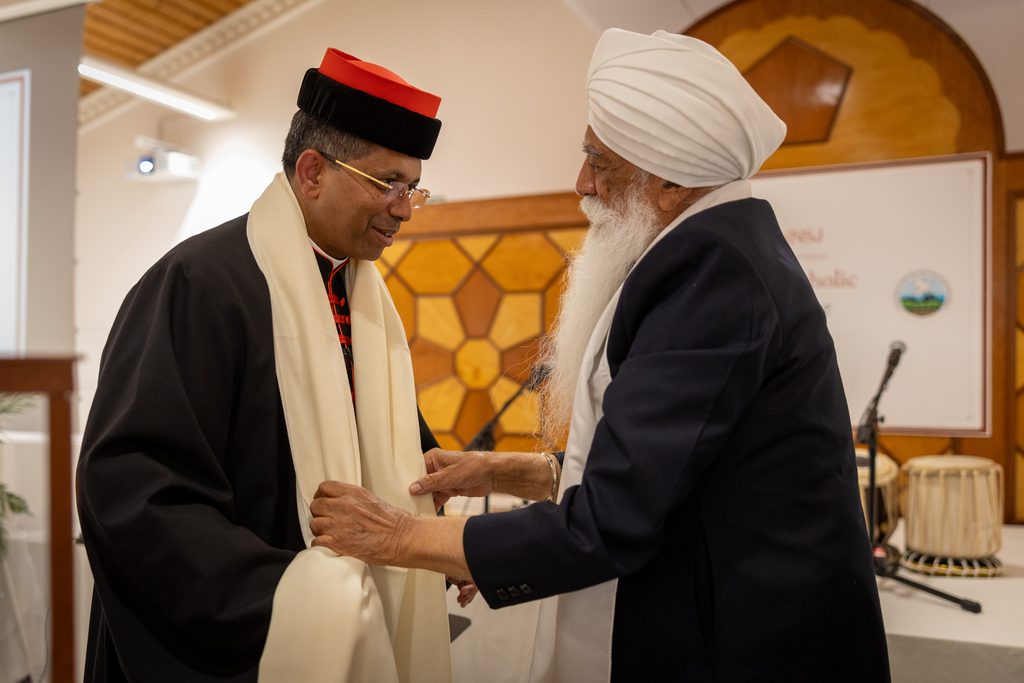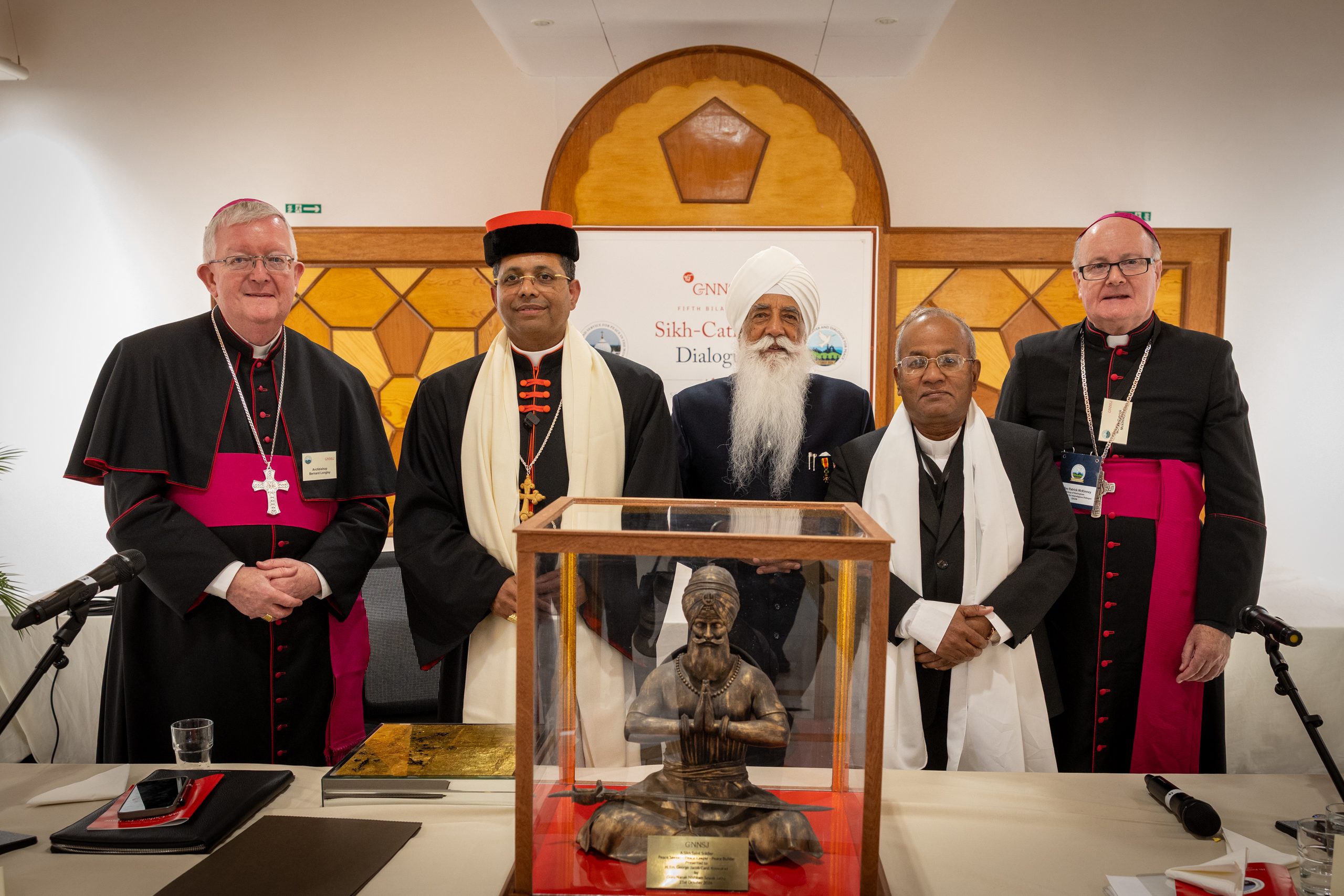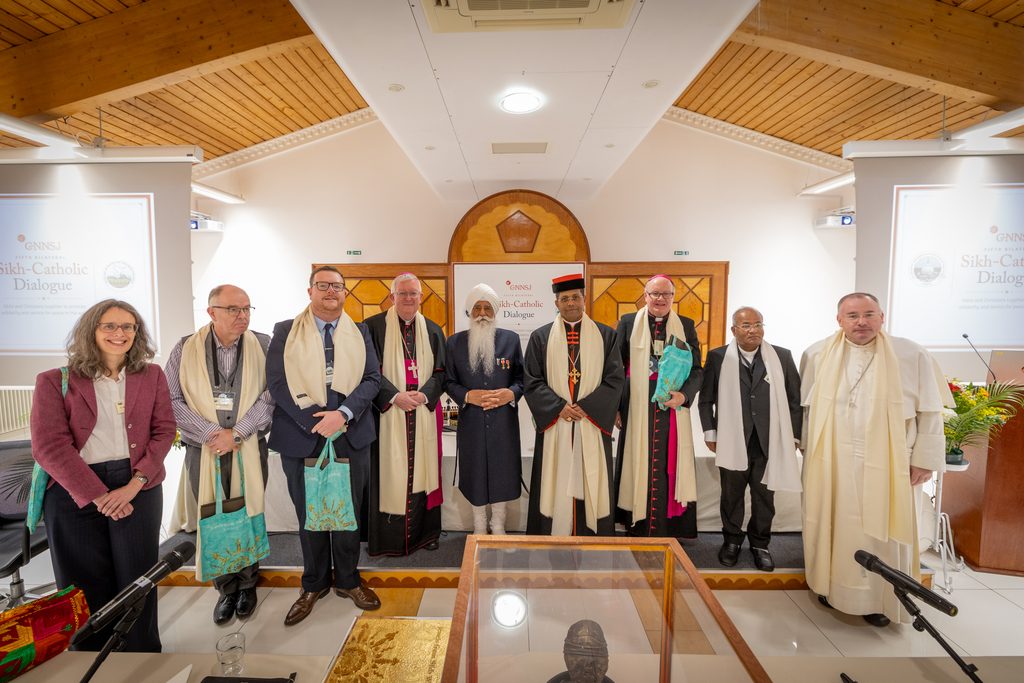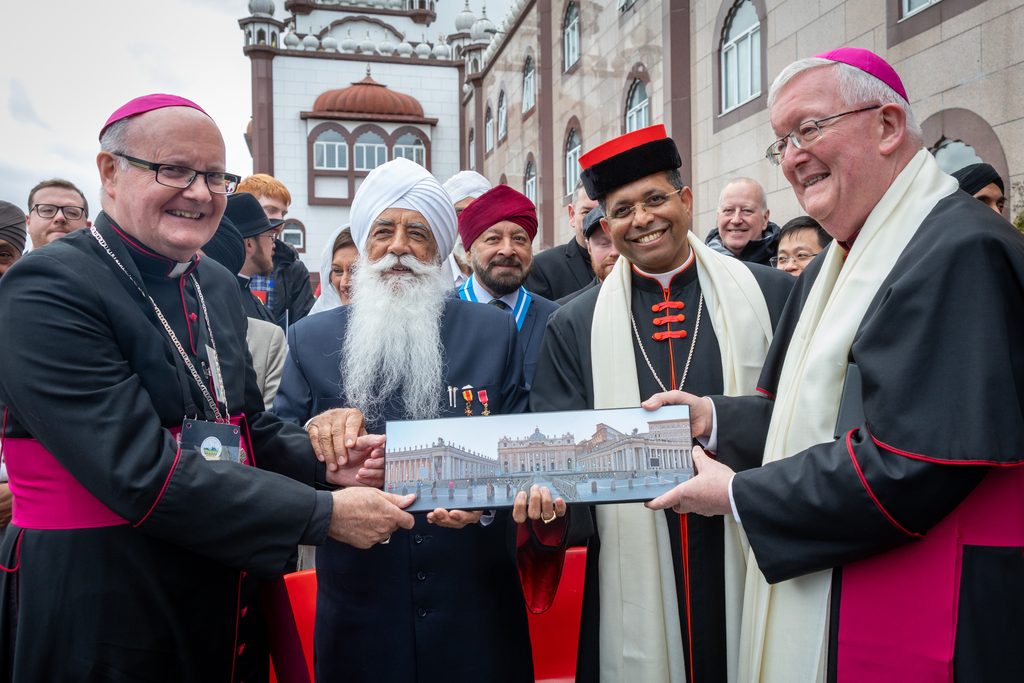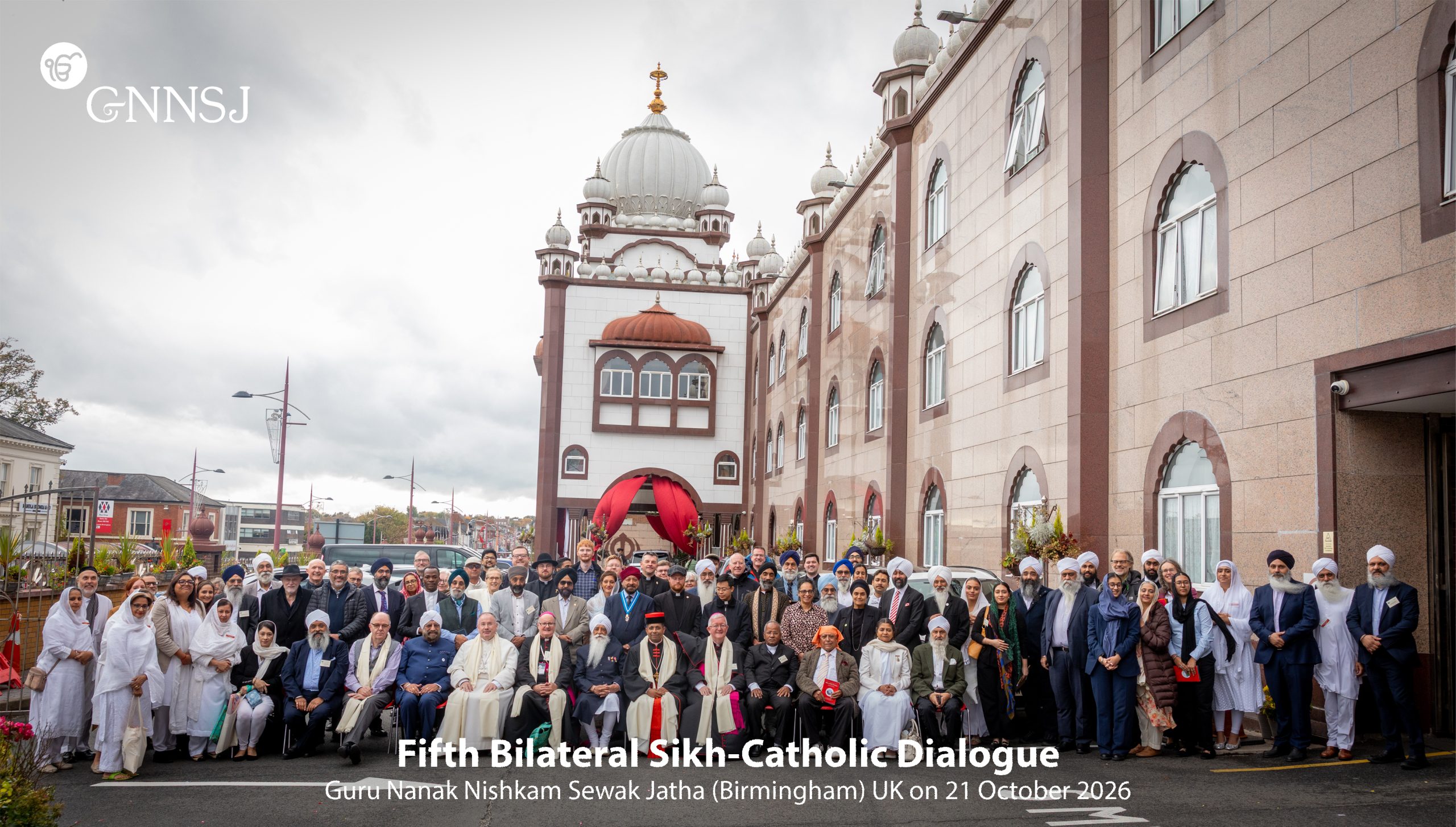
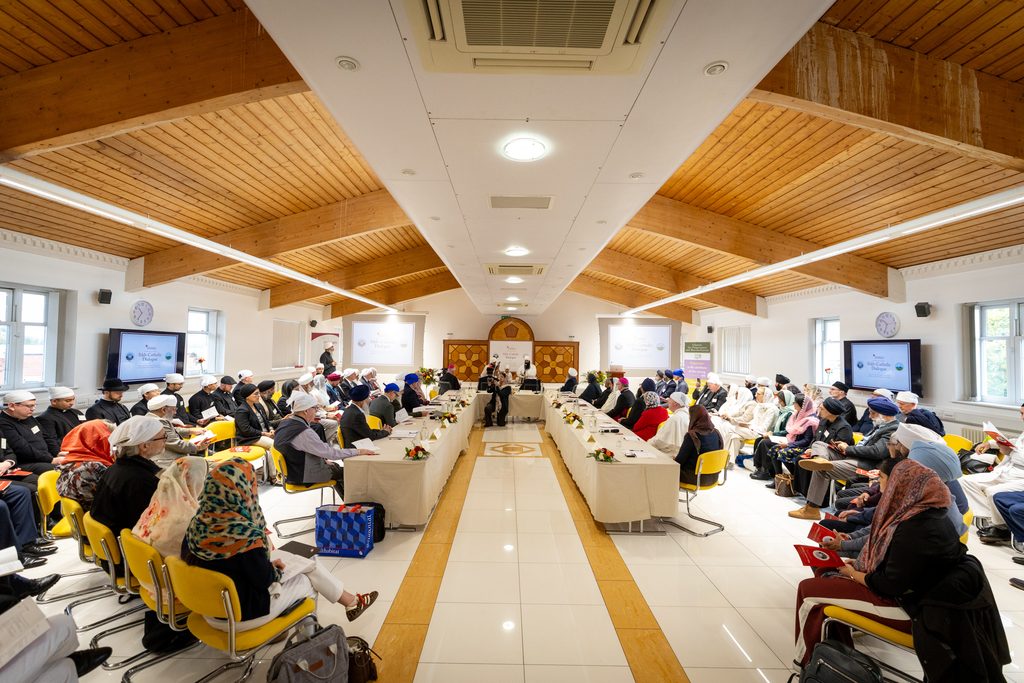
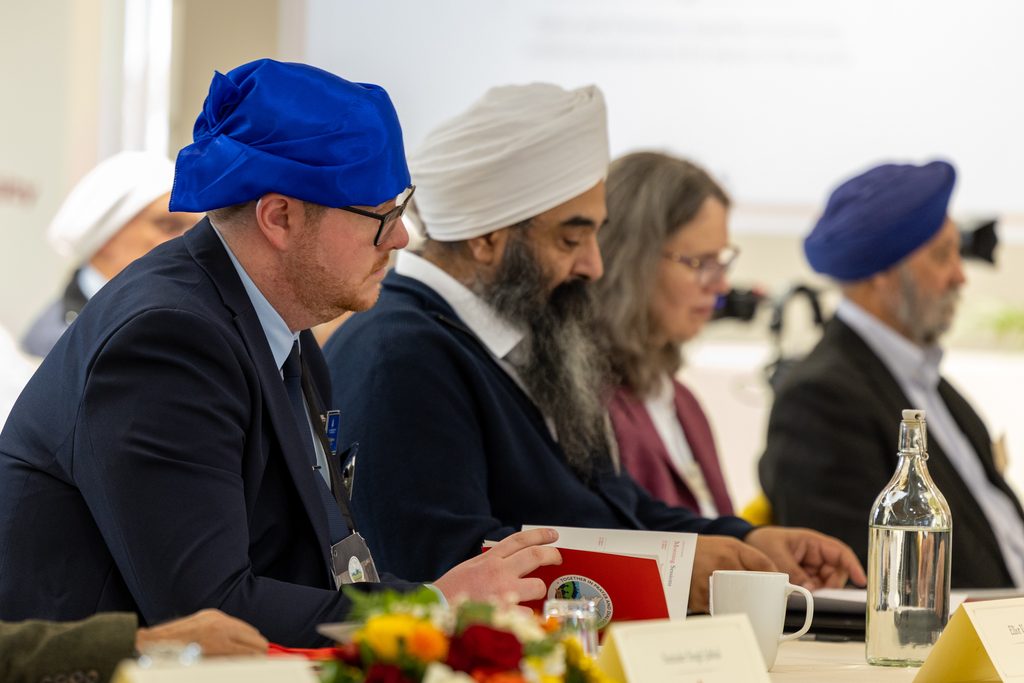
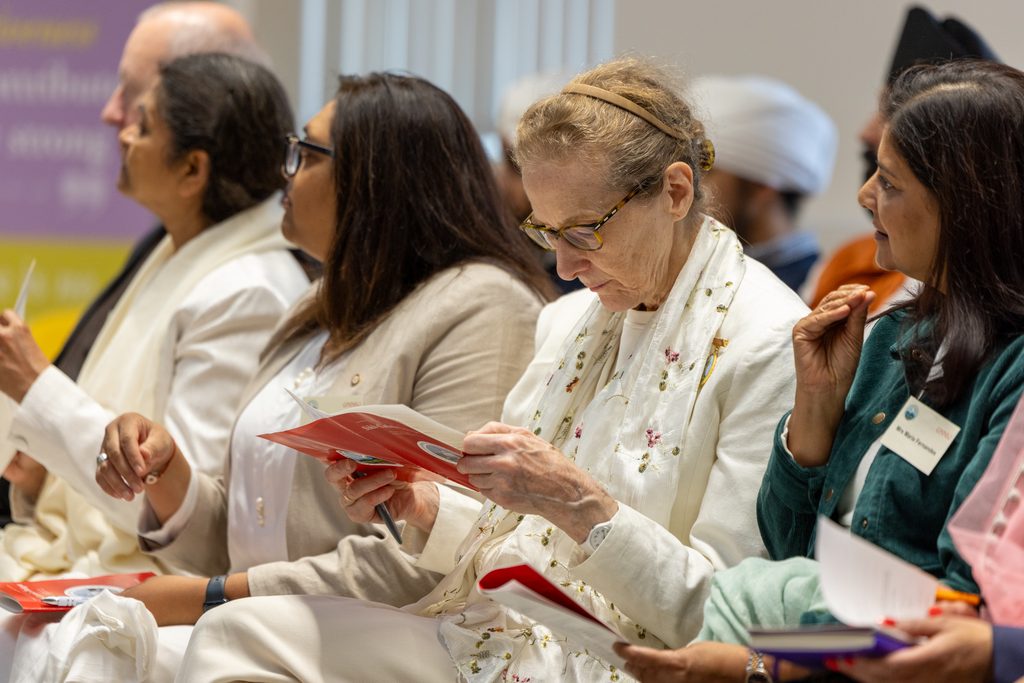
Relations between the Sikh and Christian communities were further strengthened in a key bilateral dialogue event which took place on Wednesday 21st October 2026 at Nishkam Centre, based in Handsworth in Birmingham.
A 30-year relationship
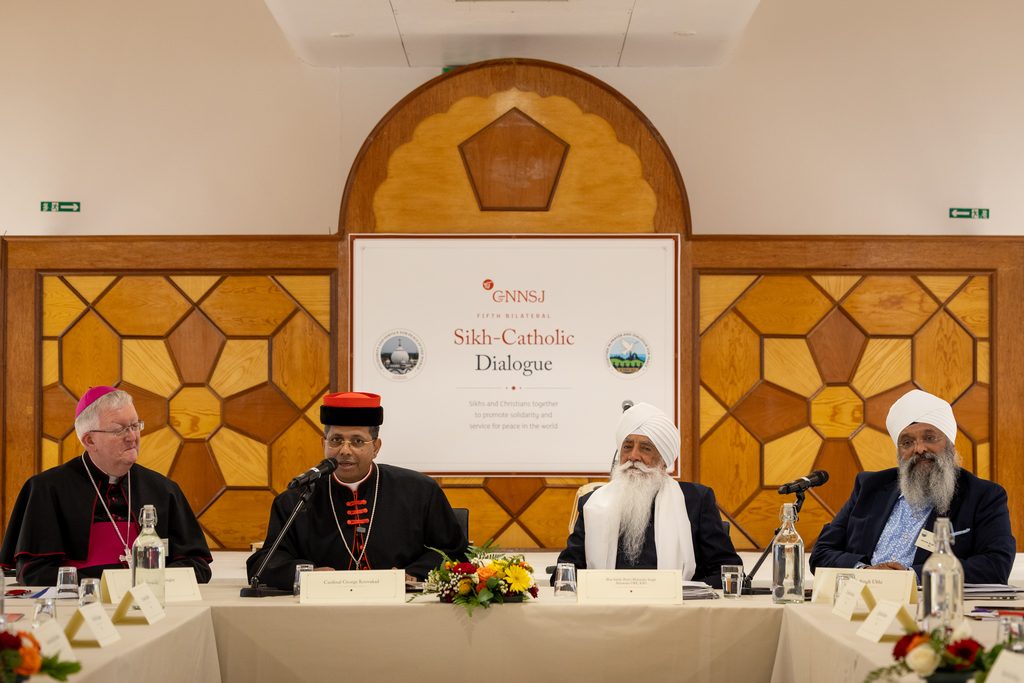
Hosted by Guru Nanak Nishkam Sewak Jatha (GNNSJ) in partnership with the Vatican’s Dicastery for Interreligious Dialogue, Archbishop Bernard Longley and the British Sikh Consultative Forum (BSCF), the event built on a 30-year established history of dialogue and friendship between the Vatican and Guru Nanak Nishkam Sewak Jatha (GNNSJ). Importantly, the event welcomed His Eminence Cardinal Koovakad, Prefect of the Vatican’s Dicastery for Interreligious Dialogue, as part of a wider interreligious visit to the UK.
The first bilateral dialogue event took place in May 2001, with a special visit from Cardinal Arinze. A number of key topics were discussed, including interreligious messages for the third millennium, the centrality of scripture, and experiences as religious minorities. Subsequent bilateral dialogue events took place in 2006 (with Cardinal Paul Poupard), in 2008 (with Archbishop Vincent Nichols) and 2014 (with Cardinal Tauran).
Promoting solidarity and service for peace in the world
This event, which took place on the theme of Sikhs and Christians together to promote solidarity and service for peace in the world, marked the fifth bilateral dialogue, and explored how – in these challenging times – shared values such as selfless service, compassion and solidarity with all can contribute to peace and the common good.
The event opened with kirtan – the singing of devotional praise – of a shabad (spiritual composition) drawn from Sukhmani Sahib (often called the Psalm of Peace), composed by the fifth Sikh Guru, Guru Arjan Dev Ji.
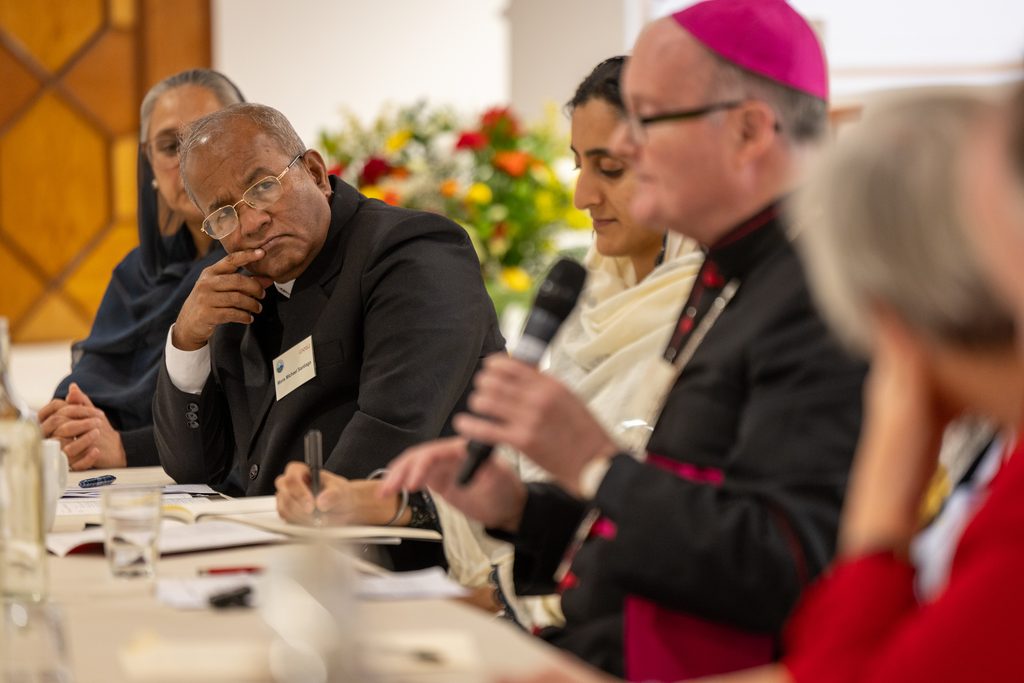
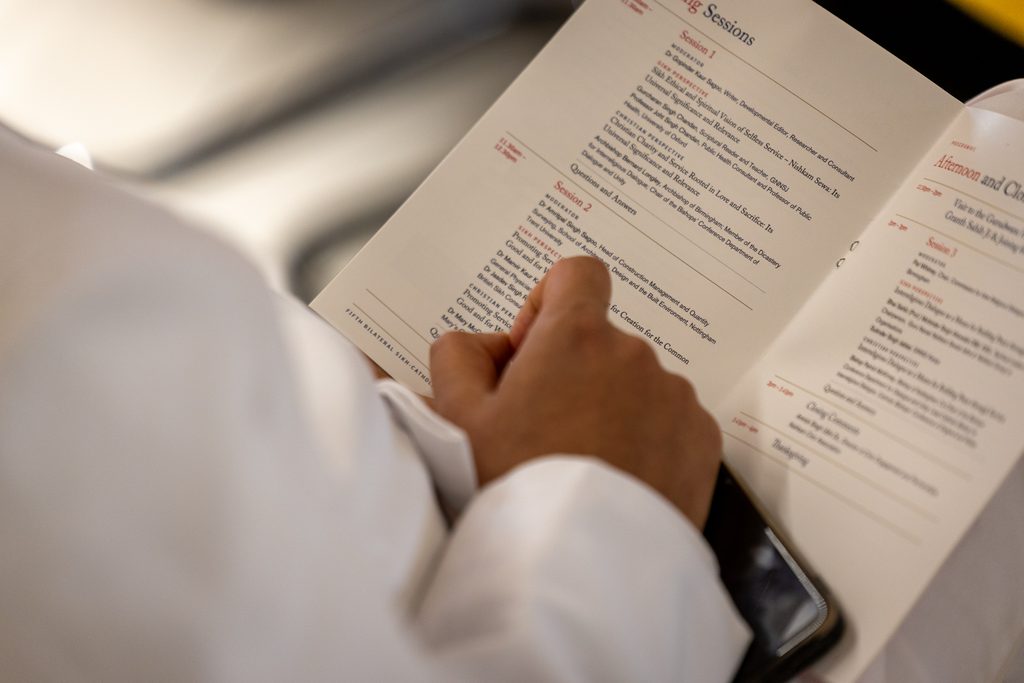
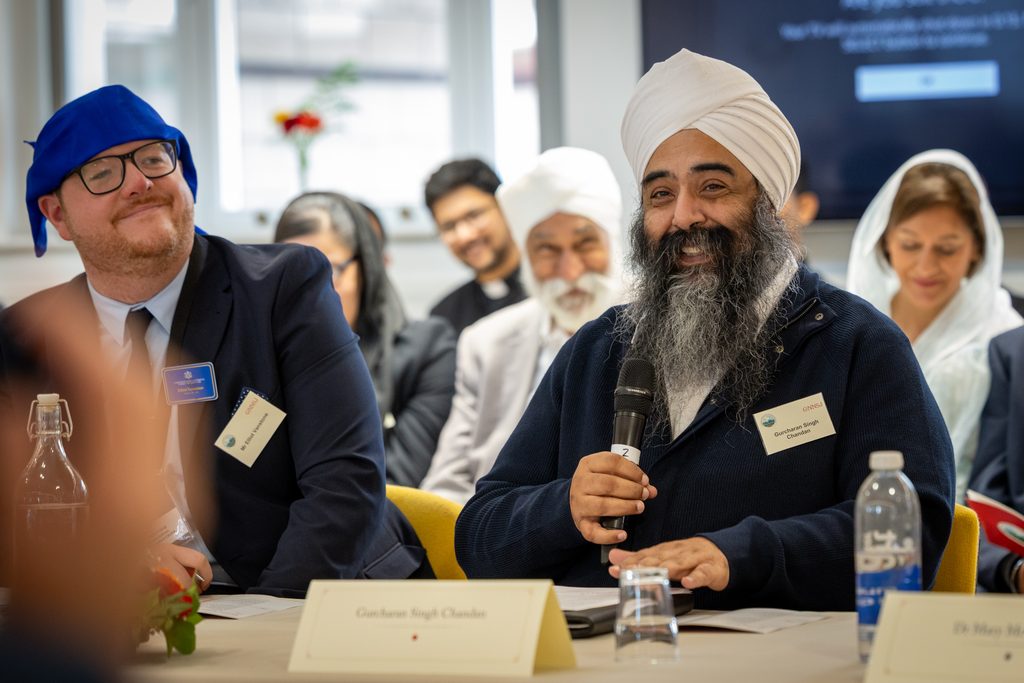
The event saw Sikh and interfaith representatives and organisations from across the UK witness perspectives on significant contemporary issues from Sikhs and Catholics. Esteemed panellists included:
- Gurcharan Singh Chandan, Scriptural Reader and Teacher.
- Professor Joht Singh Chandan, Professor of Public Health, University of Oxford.
- Archbishop Bernard Longley, Member of the Dicastery for Interreligious Dialogue, Chair of the Bishops’ Conference Department of Dialogue and Unity, Archbishop of Birmingham.
- Dr Manvir Kaur Kalirai, Nishkam Health Trust, Consultant Nephrologist and GP.
- Dr Jasdev Singh Rai, Director, Sikh Human Rights Group; General Secretary, British Sikh Consultative Forum.
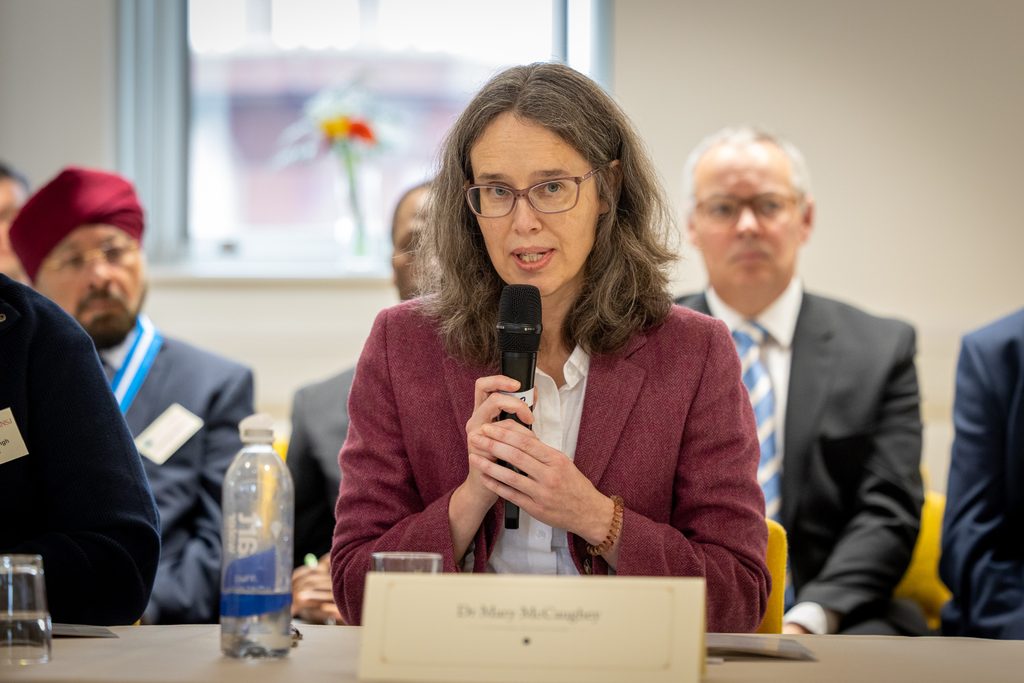
- Dr Mary McCaughey, Director of Studies and Lecturer in Dogmatic Theology at St Mary’s College, Oscott.
- Bhai Sahib Professor Mohinder Singh Ahluwalia OBE KSG, Spiritual Leader and Chairperson, GNNSJ.
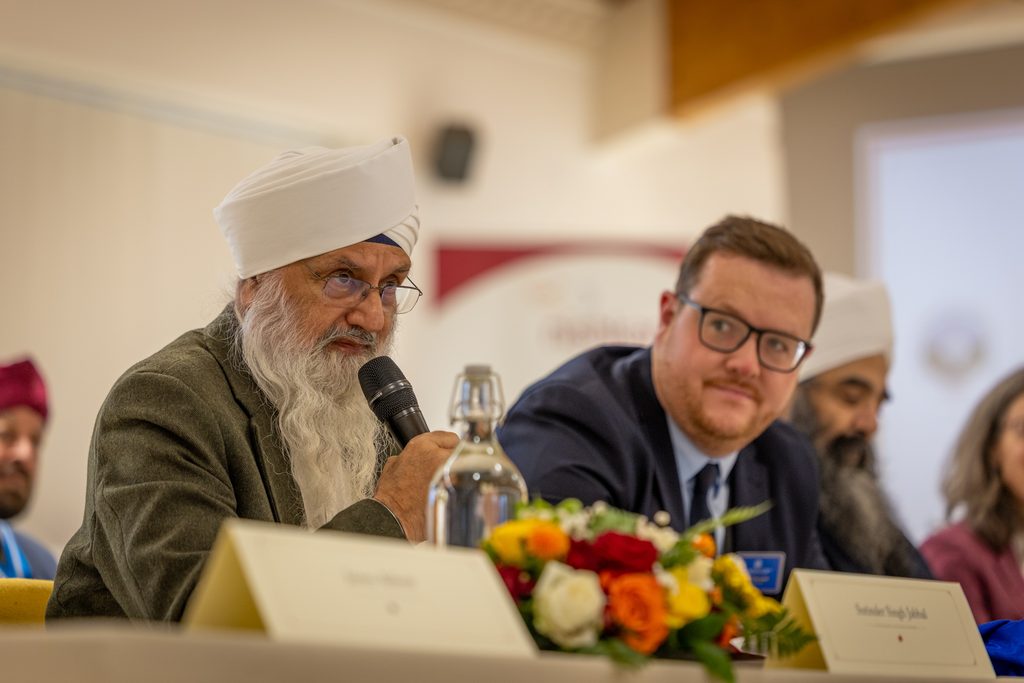
- Sutinder Singh Jabbal, GNNSJ Kericho, Kenya.
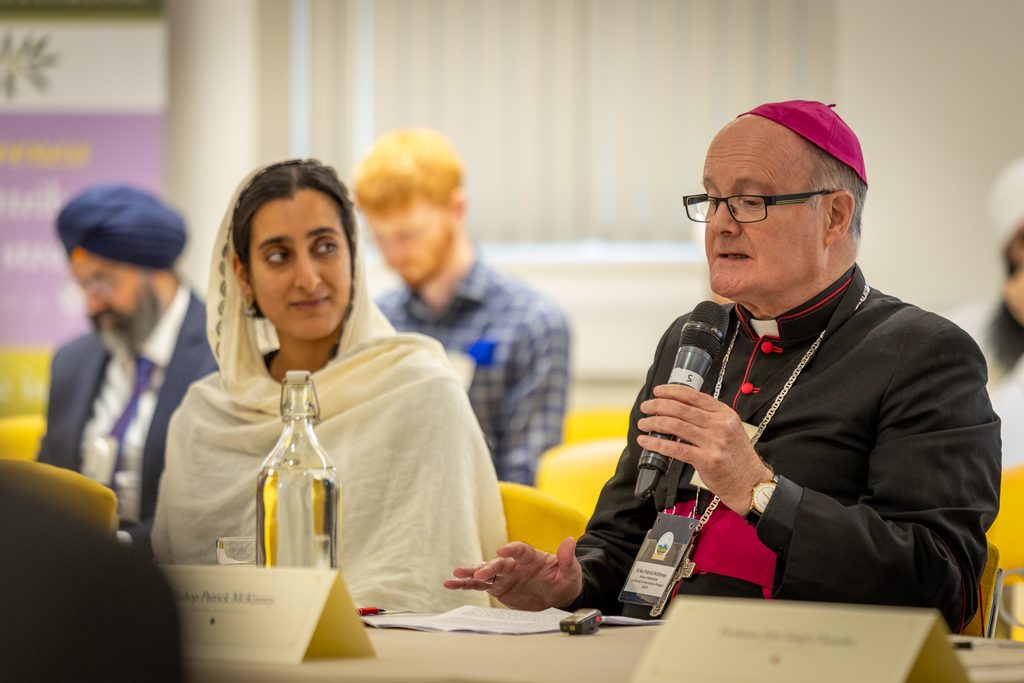
- Bishop Patrick McKinney, Co-Chair of the Bishops’ Conference Department for Dialogue and Unity, Lead Catholic Bishop for Interreligious Dialogue, Bishop of Nottingham.
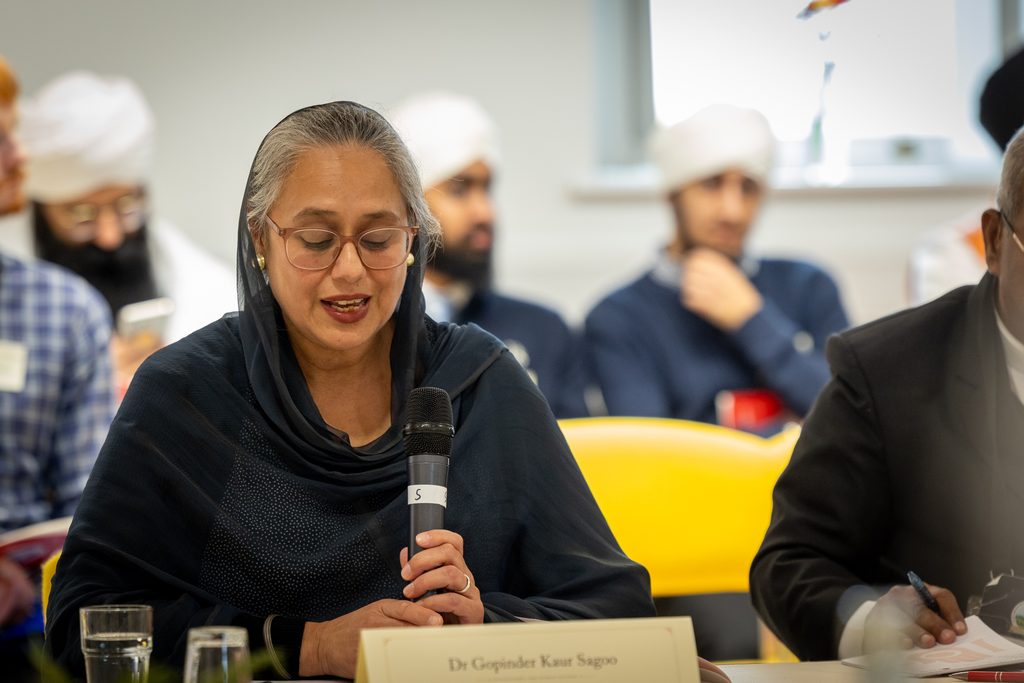
The Panel discussions were moderated by:
- Dr Gopinder Kaur Sagoo, Freelance writer, developmental editor, researcher and consultant who contributes to faith, interfaith and civic engagement projects.
- Dr Amritpal Singh Sagoo, Head of Construction Management and Quantity Surveying within the School of Architecture, Design and the Built Environment at Nottingham Trent University. A Chartered Surveyor, Building Engineer and Construction Professional with over 40 years of experience.
- Pat Whitney, Chair, Commission for Inter-Religious Dialogue Archdiocese of Birmingham, Past chair Birmingham Faith Leaders Group and member of the Focolare Movement
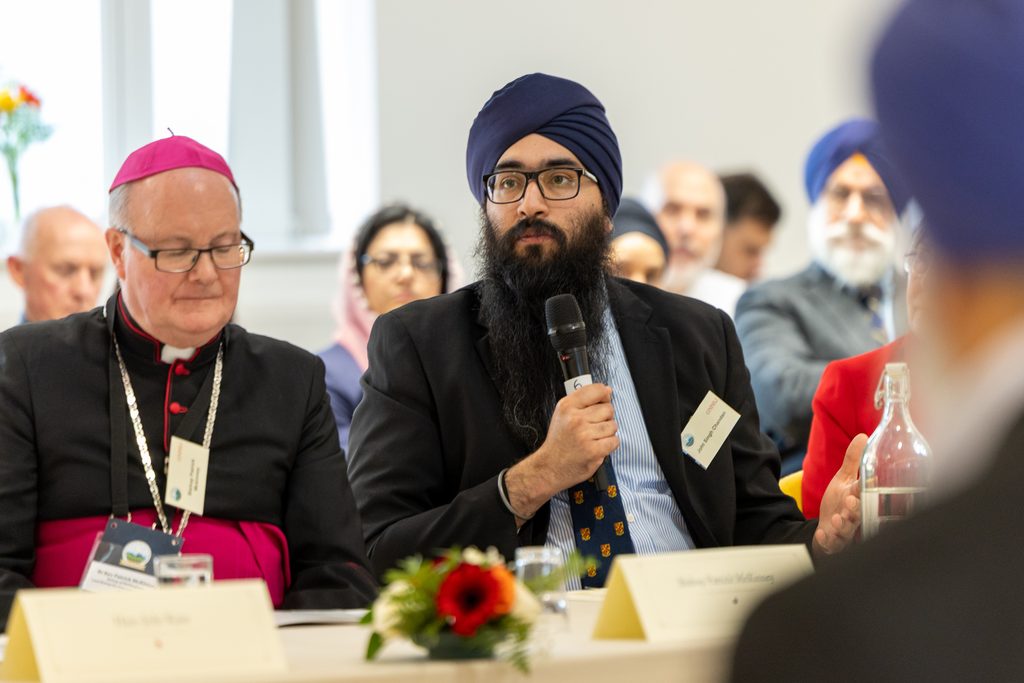
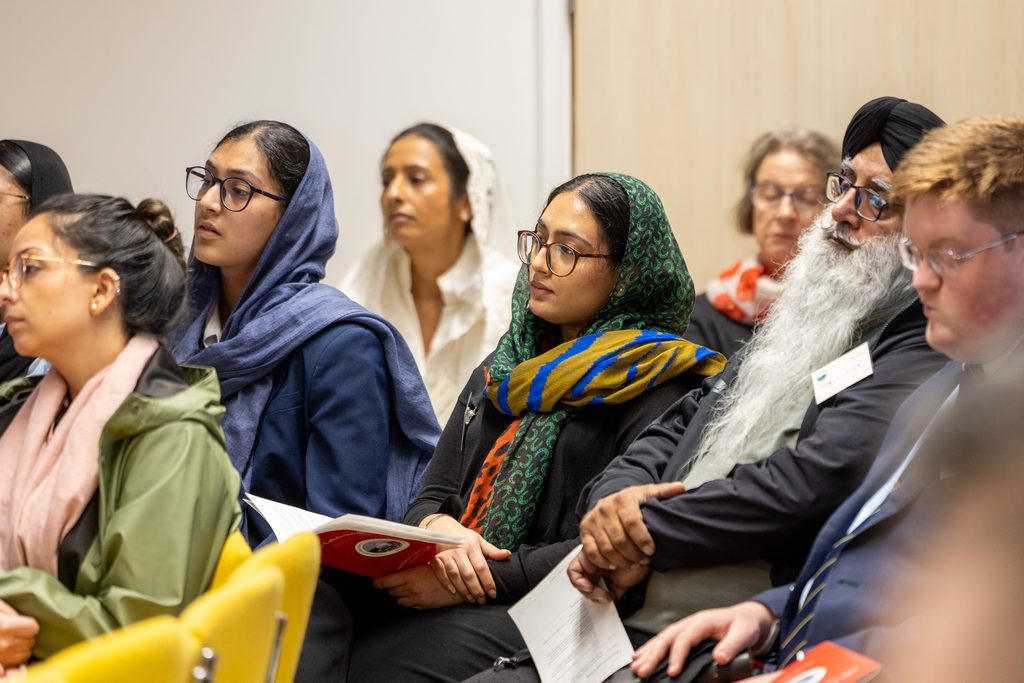
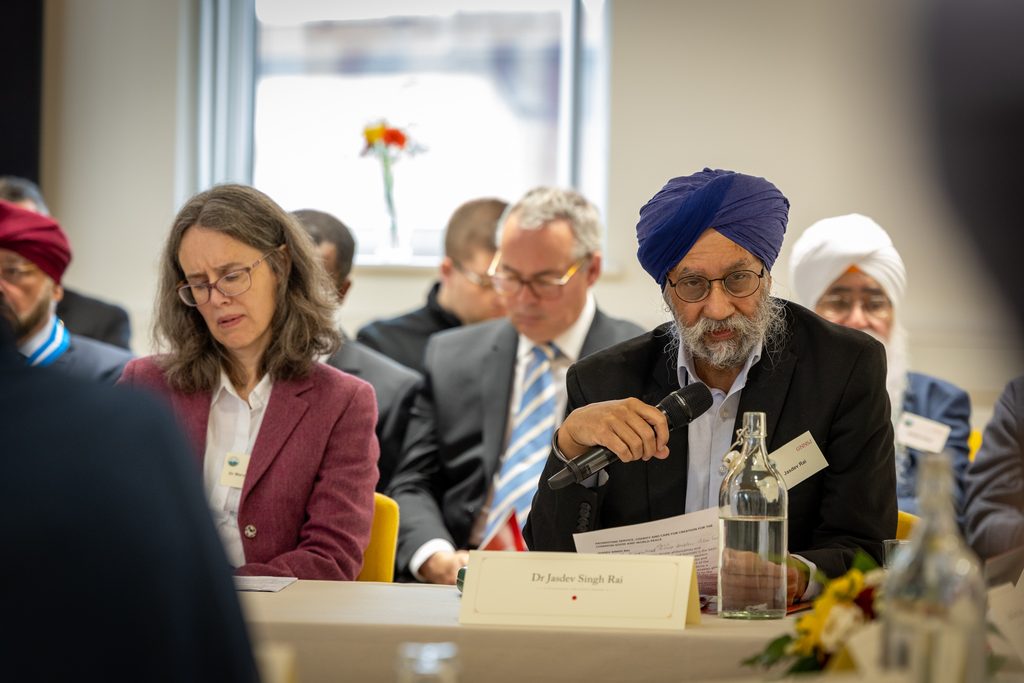
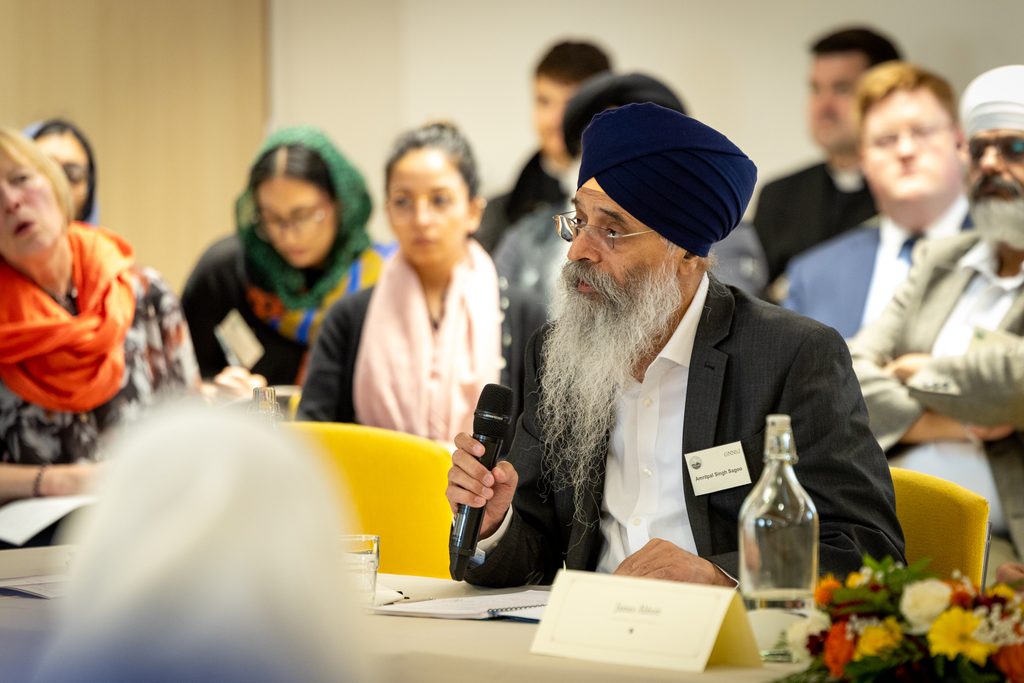
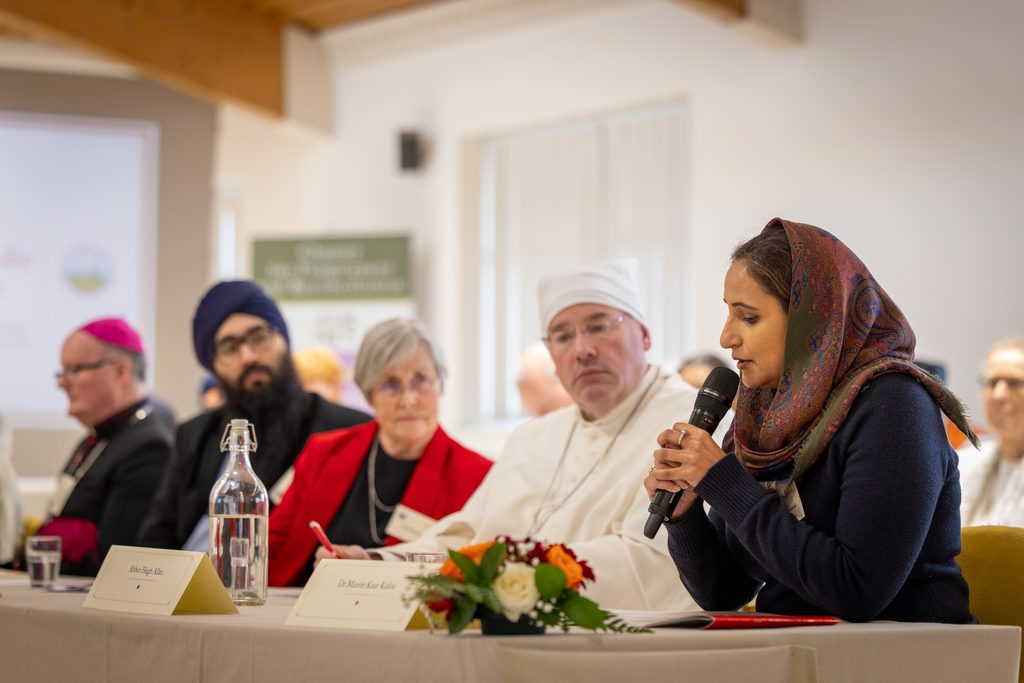
Key reflections
Bhai Sahib (Prof.) Mohinder Singh Ahluwalia OBE, KSG, Chair of Guru Nanak Nishkam Sewak Jatha, and the first Sikh honoured with The Pontifical Order of Knighthood of St Gregory by the Holy Father Pope Benedict XVI in recognition of his dedicated work for Roman Catholic Sikh relations, stated that “to be religious is to be inter religious. We are divinely connected and interdependent. The whole of humanity is one family. The good Lord is my father, my brother, my guide, all in one. And there is only one God.”
“There is no place for hopelessness, because there is God , who makes the impossible, possible.”
Before introducing His Eminence Cardinal Koovakad, Archbishop Bernard Longley opened his speech by speaking to Bhai Sahib Ji directly: “Catholics feel at home with you, which is a tribute to you and your generosity”.
His Eminence Cardinal Koovakad began by referencing the morning’s visit to the Gurudwara Sahib – Sikh place of worship – mentioning the prayers continuously recited for humankind, as well as the “service of langar, the service to the needy.” His Eminence spoke about how this meeting “seeks to strengthen the ties of friendship” and the importance of “giving visibility and recognisability as relating to each other as brothers and sisters.”
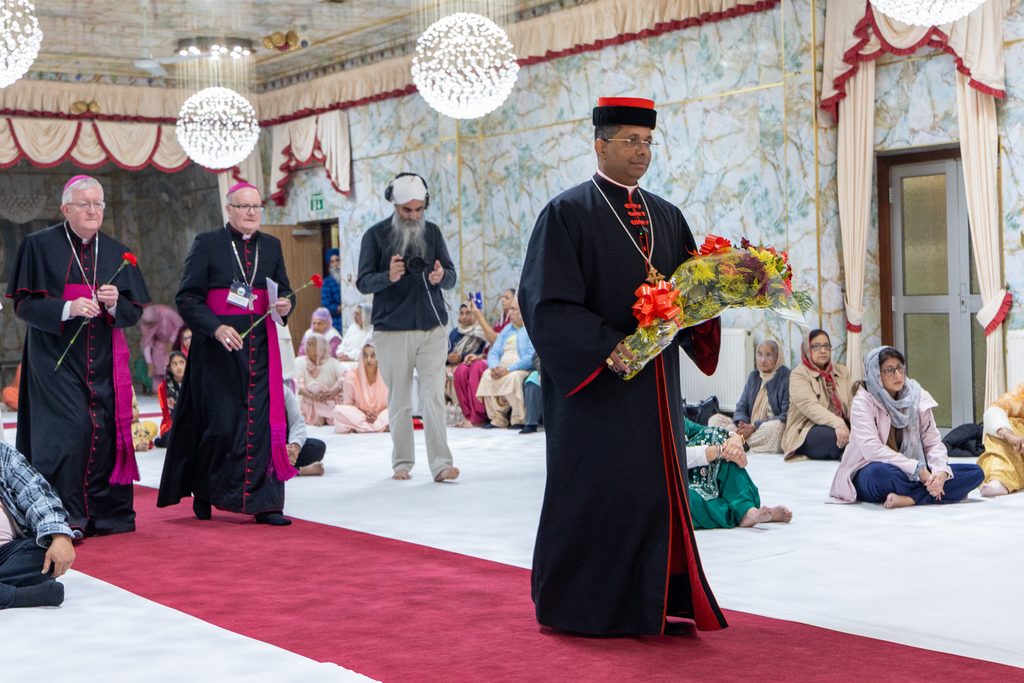
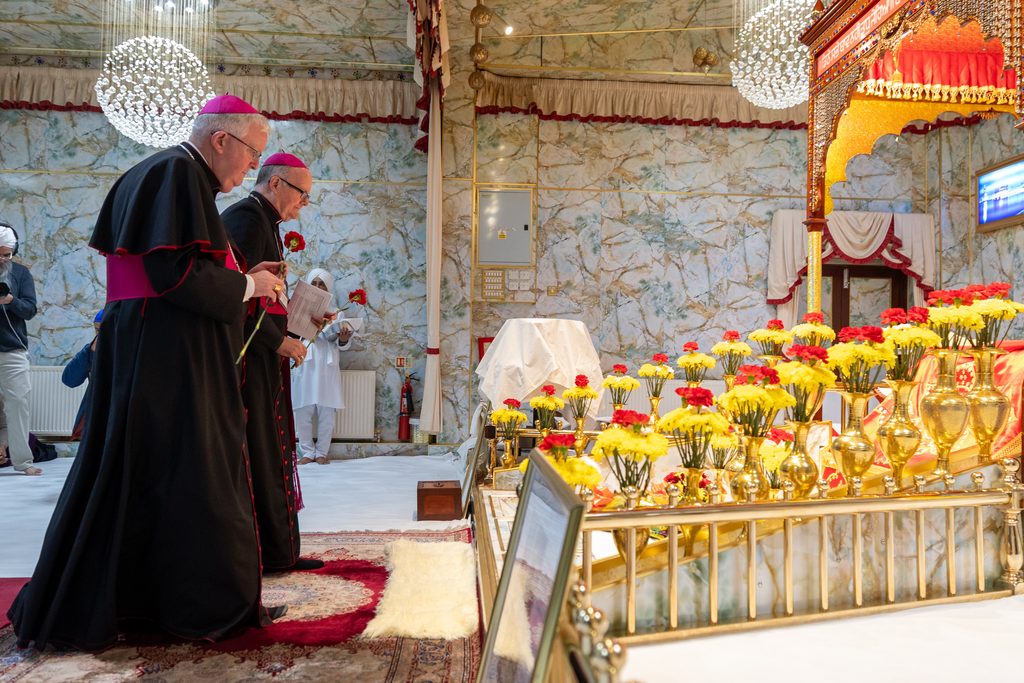
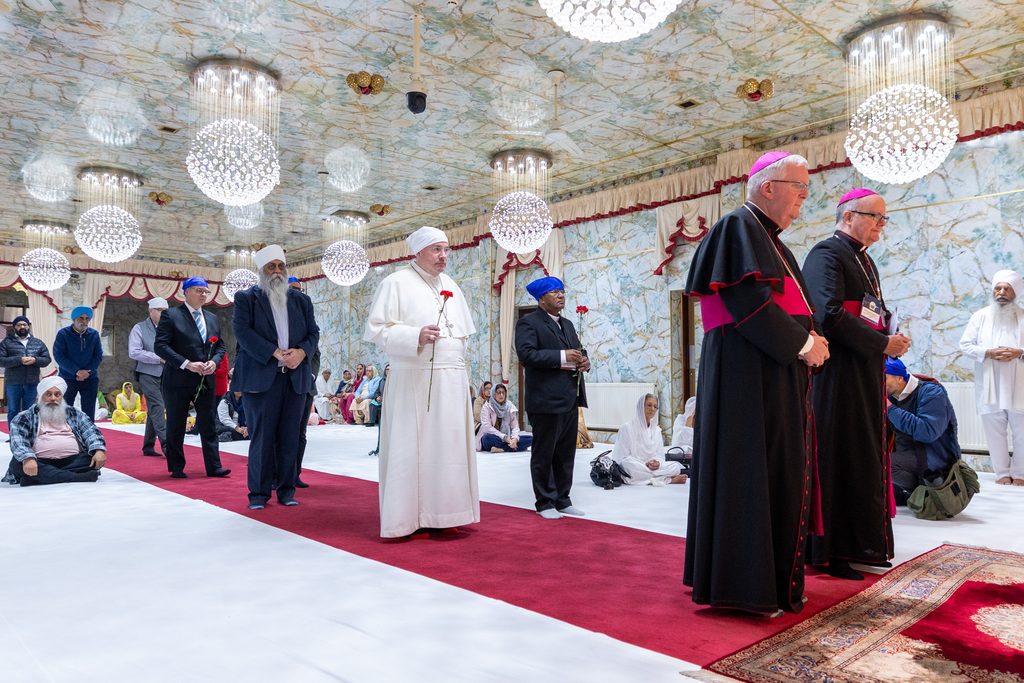
“Solidarity means thinking and acting in terms of community. It is, fraternity in action. It is, love in action.”
His Eminence also referenced Pope Leo, speaking about their focus of “always finding time to greet the sick, the elderly and the poor” and need to “transform the culture of indifference to a culture of encounter, compassion and solidarity.”
Bishop Patrick McKinney, the tenth bishop of Nottingham, stated “service is the material from which peace is built”, also referencing the seventh beatitude from the Sermon on the Mount, spoken by Jesus Christ: “Blessed are the peacemakers, for they will be called children of God”.
Profoundly, whilst speaking about selfless service, His Eminence spoke about how Jesus Christ washed His disciples’ feet during the Last Supper: “I have set you an example that you should do as I have done for you”,
Dr Mary McCaughey, Director of Studies at St Mary’s College, Oscott, spoke about how in Christian tradition, “we are not the architects of our own destiny”, and ‘God’s breath holds us in being.”
Importantly, and profoundly given our current times, Dr McCaughey added that “Peace is a gift, but also a task, which calls us to action.”
A profound moment of silence landed in the room after His Eminence shared one of His final words – “If we don’t consider humans as our brothers and sisters, we cannot call God our father.”